When building a custom home on acreage, installing a well in Idaho is one of the most important site considerations to understand early. If the property does not have access to city water or a shared water system, the home may need a private well before construction begins.
Well installation can affect the budget, site layout, timeline, and home placement. Every piece of land is different, so homeowners should understand the main cost factors before construction begins.
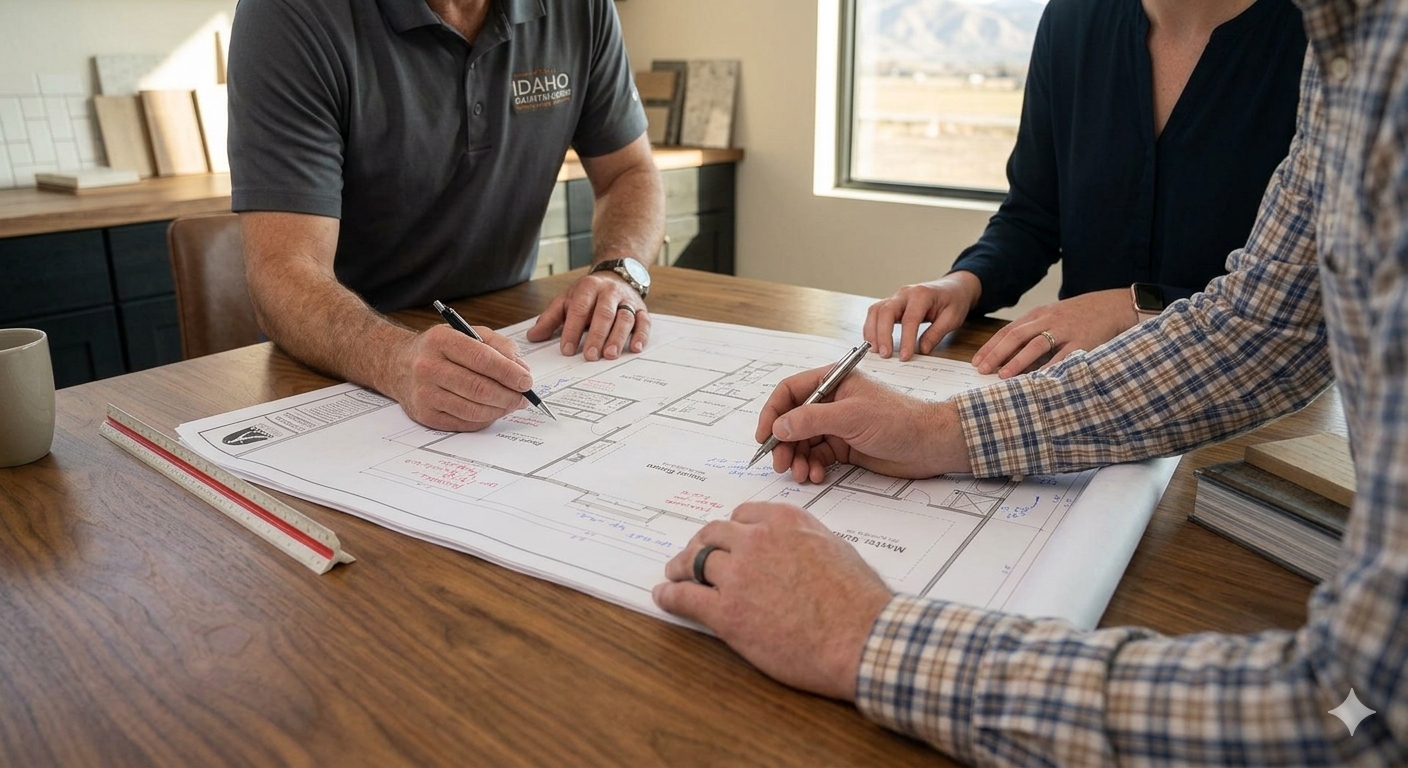
At Idaho Impact Homes, we look at well placement, utility routes, driveway access, septic location, and home orientation as part of the site planning process. A well is not just a utility. It is one of the first major infrastructure decisions on a rural or acreage property.
Installing a Well in Idaho Starts With Site Planning
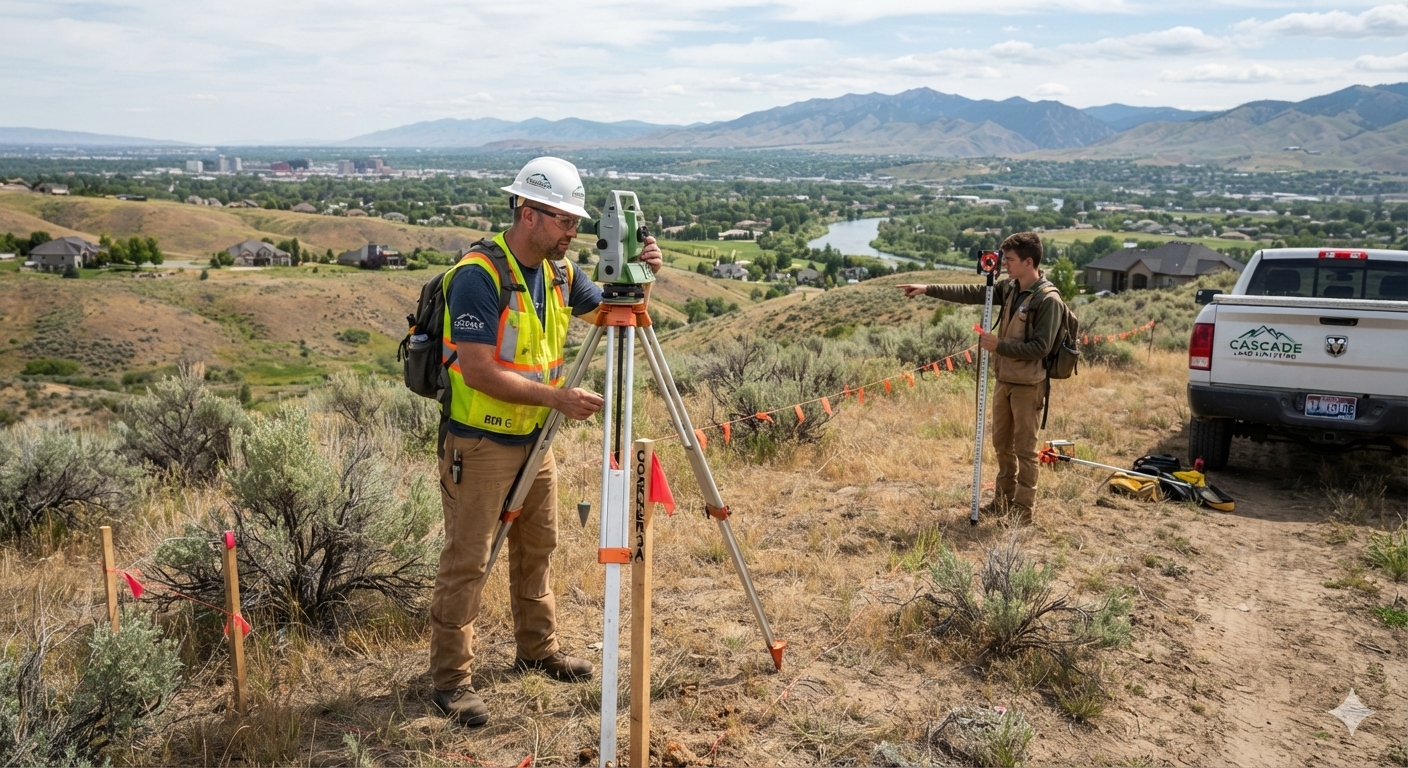
Before drilling begins, the property should be evaluated for access, well location, distance to the home, septic placement, topography, and utility routes.
The well location should work with the full site. It needs to support the home, septic system, driveway, power, drainage, future landscaping, and possible outbuildings.
A poorly placed well can create unnecessary trenching costs. It can also interfere with other site improvements or make the property harder to use later. Early planning helps avoid conflicts before excavation and construction begin.
Main Costs When Installing a Well in Idaho
Well costs can vary significantly from one property to another. The final cost depends on depth, ground conditions, drilling access, water quality, materials, pump requirements, and distance to the house.
Common well-related costs may include:
Mobilization fee
Drilling cost based on depth
Well casing
Metal or sand screen, when needed
Pump system
Trenching the water line to the house
Well testing
Drilling depth is often one of the biggest unknowns. A neighboring property may reach water at one depth, while your property may require a deeper well. For this reason, homeowners should treat the well as a variable site cost rather than a fixed number.
How Installing a Well in Idaho Can Change the Budget
One of the biggest factors in well cost is how deep the driller needs to go.
The deeper the well, the more drilling, casing, labor, and materials the project may require. In some areas, groundwater may be relatively accessible. In other areas, the driller may need to go much deeper to find a reliable water source.
It helps to research nearby wells, talk with local drillers, and review available well records before assuming what your property will require.
Even with research, no one knows the exact depth until drilling begins. This is one reason Idaho Impact Homes encourages homeowners to understand site costs early. It also helps to keep a realistic contingency budget for acreage builds.
Well Logs Can Help You Understand Nearby Water Depths
Before installing a well in Idaho, it can help to research nearby well logs.
Well logs, also called well driller’s reports, can show information from nearby wells. These reports may include well depth, geology, water levels, flow rate, construction method, and scanned historical well documents. This information does not guarantee what your property will require, but it gives homeowners and drillers useful context.
The Idaho Department of Water Resources offers an online well construction search. Property owners can use it to look up well records and view available well driller’s reports.
When reviewing nearby well logs, pay attention to:
Well depth
Static water level
Flow rate
Geology or soil layers
Distance from your property
Date the well was drilled
Nearby well records are useful, but they are not a fixed estimate. Groundwater conditions can change from one property to another, even within the same area.
Installing a Well in Idaho Requires Drill Rig Access
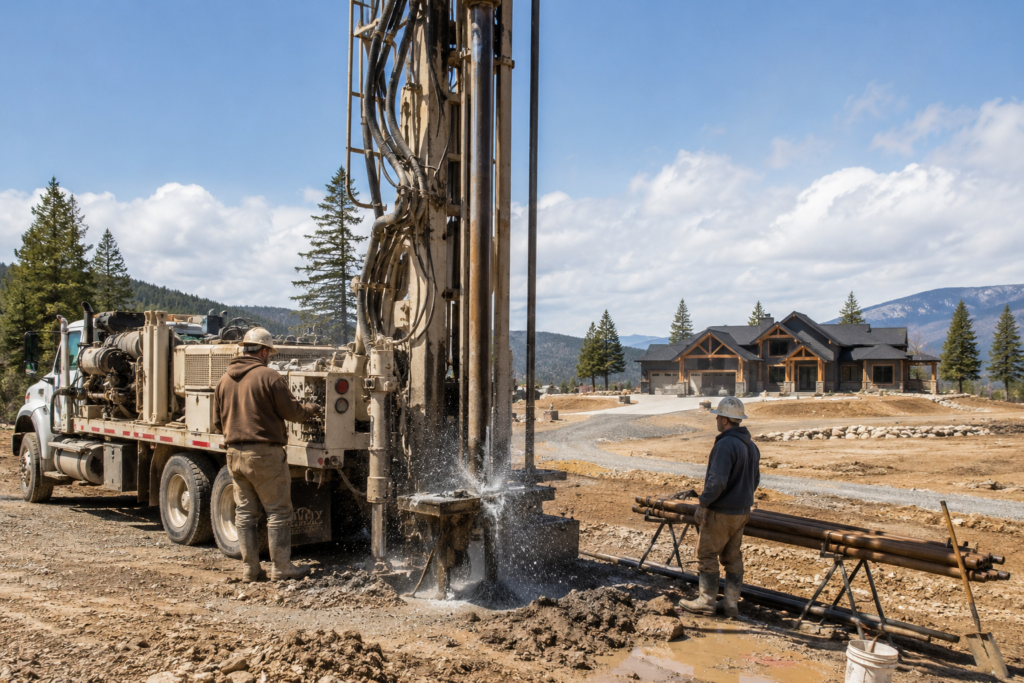
Well drilling rigs are large, heavy vehicles. They need safe access to the well location. Most rigs use wheels, so they cannot easily cross soft, muddy, or snow-covered ground.
Weather can affect the drilling schedule. If the site is too wet, muddy, snowy, or soft, the driller may not be able to reach the well location safely.
In some cases, homeowners may need to wait for drier weather. In other cases, the site may need a temporary construction road or improved access path.
This is another reason well placement matters early. The best well location is not only about water. It also needs to account for access, slope, driveway planning, future site work, and the overall construction schedule.
Screens, Casing, and Ground Conditions Matter
Soil and rock conditions can affect how the driller builds the well.
In some situations, the well may need additional casing, a metal screen, or a sand screen to help manage sediment and protect the water supply. The driller determines these needs based on the conditions found during drilling.
This is one reason to hire a qualified, licensed well driller. In Idaho, the Idaho Department of Water Resources regulates well construction. The well needs to support the property, the water source, and long-term use.
The Pump System Is Part of the Well Budget
Drilling the well is only part of the cost. The home also needs a pump system that moves water from the well to the house.
The right pump setup depends on well depth, household water needs, distance to the home, and pressure requirements.
For larger homes, acreage properties, livestock needs, irrigation planning, or future shops, homeowners should discuss the pump system early. This helps the full property plan work correctly.
Trenching the Water Line to the House
After drilling, water still needs to get from the well to the home.
This usually requires trenching a water line from the well location to the house. The cost depends on distance, soil conditions, slope, access, and utility coordination.
Good site planning can save money here. When the well, home, driveway, septic system, and power route work together, the project can avoid unnecessary trenching, conflicts, and rework.
Installing a Well in Idaho Does Not Guarantee Unlimited Irrigation
A private domestic well does not automatically give a property owner unlimited water use.
In Idaho, domestic water use can include water for homes and irrigation of up to one-half acre of land. This is especially important for acreage owners who plan to irrigate pasture, maintain animals, grow crops, or landscape more than a small area.
If you are buying acreage, verify whether the property has separate irrigation water rights, canal access, or another legal water source for larger outdoor water needs.
This matters for homeowners who plan to have:
Pasture
Livestock
Large lawns
Gardens
Orchards
Arenas
Extensive landscaping
Future agricultural use
Before assuming a well can support all outdoor water needs, acreage buyers should confirm what water rights come with the property. They should also confirm whether irrigation district or canal water is available.
Well Placement Can Affect the Entire Site Plan
A well should not be placed randomly.
The location can influence driveway layout, septic design, power routing, landscaping, irrigation, future shops, and the overall flow of the property. It may also need to meet required separation distances from septic systems, property lines, and other site features.
For homeowners building on acreage, this is one of the biggest advantages of working with a builder early. The goal is to make the land, utilities, and home design work together before construction begins.
Water Quality Testing Is Important
Private wells are different from public water systems. Homeowners are responsible for understanding the quality of their own well water.
After drilling, water testing can help identify bacteria, nitrates, minerals, arsenic, or other contaminants. If the water needs treatment, that can add another cost to the project.
Homeowners should consider water quality before making final decisions about plumbing, filtration, and long-term maintenance.
How Long Does Installing a Well in Idaho Take?
The timeline can vary based on driller availability, permitting, weather, property access, and water production.
The actual drilling may only take a short time. Scheduling, preparation, water testing, pump installation, trenching, and utility coordination can add more time to the project.
Because well installation can affect construction sequencing, homeowners should discuss it early in the custom home process.
How Idaho Impact Homes Helps With Acreage Site Planning
Every Idaho Impact Homes project begins with understanding the property.
Before construction begins, we look at the site as a whole. This includes home placement, driveway access, septic location, well placement, utility routes, grading, drainage, outdoor living, and future use of the land.
This helps homeowners make informed decisions before major site work begins. A well is only one part of the project, but it can affect the budget, timeline, and long-term function of the property.
FAQ
Do I need a well to build on acreage in Idaho?
It depends on the property. Some acreage properties have access to city water, shared wells, or existing water systems. Others require a private well. Homeowners should evaluate this before buying land or finalizing the home design.
What makes a well expensive?
Depth, drilling conditions, casing, screens, pump requirements, trenching distance, site access, and water treatment can all affect the final cost.
Can I use my well to irrigate my whole property?
Not automatically. In Idaho, domestic water use can include irrigation of up to one-half acre of land. If you plan to irrigate more land, support livestock, or use water for larger outdoor needs, verify whether the property has separate irrigation water rights, canal access, or another legal water source.
Should I look up nearby well logs before buying land?
Yes. Nearby well logs can help you understand common well depths, water levels, flow rates, and geology in the area. They cannot guarantee what your property will require, but they can provide useful context before drilling.
Should the well be planned before the house design is final?
Yes. Well placement should be considered alongside the home location, septic system, driveway, power route, and future property use.
Can Idaho Impact Homes help evaluate well placement?
Yes. Idaho Impact Homes can help evaluate the property as part of the larger custom home planning process. This includes well placement, utility routes, septic considerations, driveway access, and home orientation.
Planning on Installing a Well in Idaho Before You Build?
If you are planning to build a custom home on acreage in Caldwell, Nampa, Middleton, Star, Eagle, Kuna, Boise, or the surrounding Treasure Valley, Idaho Impact Homes can help you evaluate the property before construction begins.
Contact Idaho Impact Homes to schedule a consultation and better understand the site costs, utility needs, and planning decisions involved in building on your land.