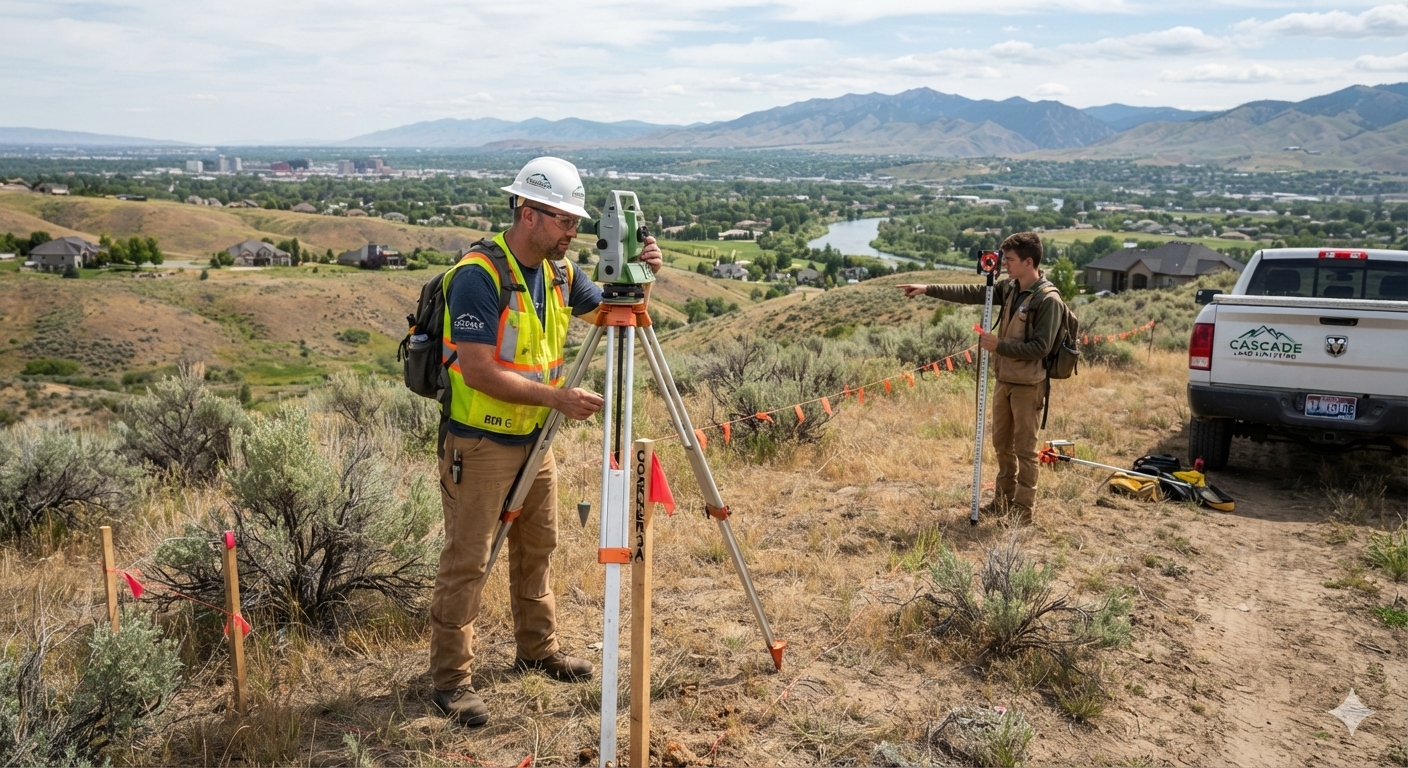
When building a custom home on acreage, septic systems in Idaho are one of the most important site considerations to understand early. If the property does not have access to city sewer, the home will likely need an individual septic system before it can be built.
A septic system can affect where the home sits, where the well can go, how the driveway works, how much usable land remains, and what the overall site development budget looks like.
At Idaho Impact Homes, we look at septic placement, well placement, utility routes, driveway access, home orientation, and future property use as part of the larger site planning process. A septic system is not just a utility. It is one of the major infrastructure decisions that shapes how an acreage property can be used.
Septic Systems in Idaho Start With Site Planning
Before designing a home or finalizing the building site, the property needs to be evaluated for septic feasibility.
The septic system needs to work with the full site. It must fit with the home, well, driveway, drainage, utilities, outdoor living areas, future landscaping, and possible shops or outbuildings.
A poorly planned septic location can limit where the home can sit. It can also interfere with future property improvements or make the site more expensive to develop.
Early planning helps homeowners avoid conflicts before excavation, permitting, and construction begin.
What a Septic System Does
A septic system treats and disperses wastewater from the home when city sewer is not available.
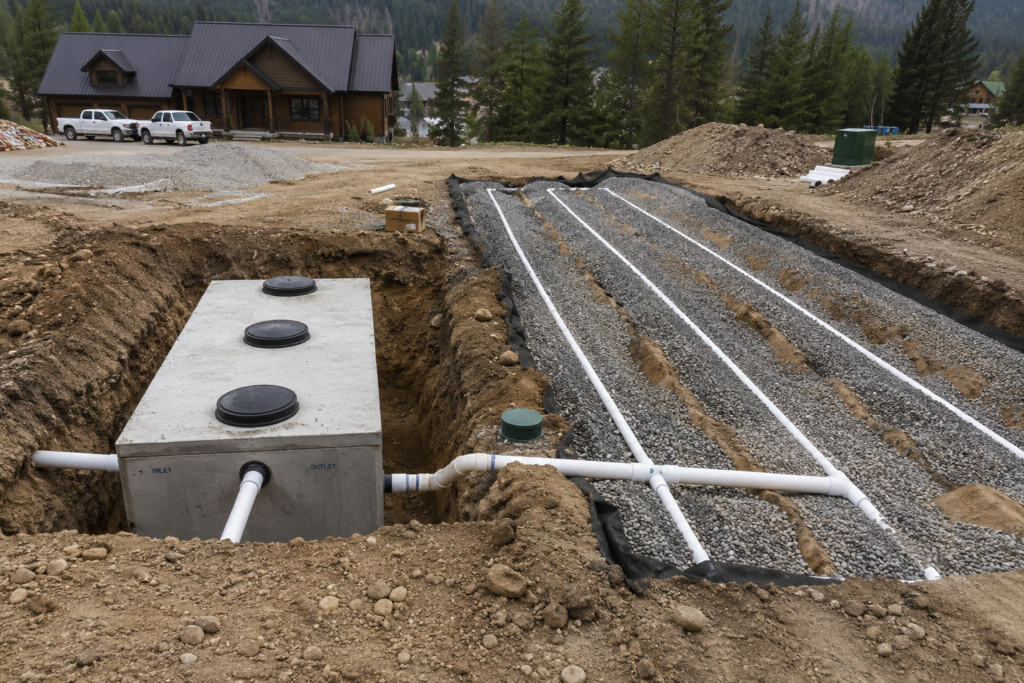
Most systems include a septic tank and a drain field. Wastewater leaves the home and enters the tank, where solids settle and liquids move into the drain field. The soil then helps filter and absorb the wastewater.
Because the soil plays such an important role, septic approval depends heavily on site conditions. Slope, soil type, groundwater, setbacks, and available space can all affect whether the property can support a septic system.
Why Septic Placement Matters on Acreage
Septic placement can influence the entire layout of the property.
The septic tank and drain field need enough room, and they cannot go just anywhere. They may need to stay a certain distance from wells, property lines, buildings, waterways, irrigation features, and other site improvements.
This can affect:
Home placement
Well location
Driveway layout
Future shops or outbuildings
Pools and outdoor living areas
Landscaping plans
Pasture or animal areas
Usable acreage
Future additions
For acreage owners, this matters because the most beautiful home location may not be the most practical septic location. The land needs to support both the home and the wastewater system.
Soil Evaluation and Perc Testing
Before a septic system can move forward, the property usually needs a site evaluation.
This may include soil review, test holes, and other information needed to determine whether the land can support an individual septic system. Many people refer to this process as perc testing, although the exact requirements can vary by location and system type.
The purpose is to understand how well the soil can receive and treat wastewater.
Some sites have soil that works well for a standard septic system. Other sites may have shallow groundwater, poor drainage, rock, clay, steep slope, or other conditions that require a different design.
The results of this evaluation can affect cost, layout, timeline, and whether the property is practical to build on.
Drain Fields Need Space
The drain field is one of the most important parts of the septic system.
It needs enough space to function correctly, and it should be protected from heavy traffic, buildings, driveways, and future improvements. Homeowners should avoid treating the drain field area like leftover land.
In many cases, the property also needs a replacement drain field area. This reserve area may be needed in the future if the original system fails or needs replacement.
For acreage buyers, this is important. A parcel may look large, but slope, setbacks, easements, irrigation, wells, and septic reserve areas can reduce the amount of land available for the house and future improvements.
Common Septic Costs When Building on Acreage
Septic costs can vary significantly from one property to another. The final cost depends on soil conditions, system type, tank size, drain field design, excavation, engineering, permits, and site access.
Common septic-related costs may include:
Site evaluation
Soil testing or test holes
Septic design
Septic tank
Drain field installation
Excavation
Special system components, if needed
Permit fees
Inspections
Repair or replacement area planning
A standard system may cost less than a complex or engineered system. If the property has difficult soil, high groundwater, slope, limited space, or other challenges, the system may require additional design work or more expensive components.
This is why septic feasibility should be reviewed early. The septic system can become one of the biggest site development costs on an acreage build.
Septic Systems in Idaho May Affect the Timeline
Septic approval can affect the building timeline.
Before the home can move forward, the septic system may need review, approval, permitting, and design coordination. If the health district requests additional information, plan changes, engineering, or a different system type, the schedule can shift.
This is especially important when the home, well, driveway, and utilities all need to fit together on the same site.
A septic delay can also delay other parts of the project. The building permit, excavation schedule, utility planning, and final site layout may all depend on septic approval.
Septic Setbacks Matter
Septic systems need to meet required separation distances from other site features.
These setbacks help protect groundwater, wells, property lines, buildings, and nearby water sources. The exact requirements can depend on the property, location, soil conditions, system type, and local health district review.
Common setback considerations may include:
Wells
Property lines
Homes and buildings
Driveways
Irrigation ditches
Canals
Waterways
Drainage areas
Future structures
This is why septic planning should happen alongside the full site plan. If the septic system, well, home, and driveway are planned separately, the project may run into conflicts later.
Septic and Well Placement Need to Work Together
Many acreage properties need both a private well and a septic system.
These two systems must be planned together. The well provides water for the home, and the septic system handles wastewater. Because both systems affect health, safety, and groundwater protection, their placement matters.
If the well location is chosen before septic feasibility is understood, the site plan may need to change later. If the septic location is chosen without considering the home, driveway, or future shop, the property may become harder to use.
Good planning looks at the whole site before major decisions are made.
Septic Permitting in Idaho
In Idaho, individual and subsurface sewage disposal systems must meet state rules and local permitting requirements.
The Idaho Department of Environmental Quality explains that Idaho’s Individual/Subsurface Sewage Disposal Rules establish minimum standards for design, construction, siting, and use of septic systems. These rules also include permit requirements for installation and installer registration.
In the Caldwell and Canyon County area, Southwest District Health handles septic and land development permitting. SWDH advises homeowners and developers to contact their office about the application and permitting process for septic systems.
For Boise, Eagle, Kuna, and other Ada County-area projects, Central District Health provides septic, subdivision, and water-related permitting information.
Because permitting requirements can vary by location, homeowners should confirm which health district or local agency applies to their property.
Why You Should Check Septic Feasibility Before Buying Land
If you are buying acreage, septic feasibility should be part of your due diligence.
A property may look like a perfect homesite, but that does not guarantee it can support the septic system needed for the home you want to build.
Before buying land, homeowners should ask:
Is city sewer available?
If not, can the property support a septic system?
Has a site evaluation been completed?
Are there existing septic records?
Where could the drain field go?
Is there room for a replacement drain field area?
How will the septic location affect the home site?
How will it interact with the well location?
Are there slope, soil, groundwater, or access concerns?
Understanding these answers before closing can help avoid expensive surprises later.
How Idaho Impact Homes Helps With Acreage Site Planning
Every Idaho Impact Homes project begins with understanding the property.
Before construction begins, we look at the site as a whole. This includes septic placement, well placement, home orientation, driveway access, utility routes, grading, drainage, outdoor living, and future use of the land.
This helps homeowners make informed decisions before major site work begins. A septic system is only one part of the project, but it can affect the budget, timeline, home placement, and long-term function of the property.
FAQ
Do I need a septic system to build on acreage in Idaho?
It depends on the property. Some acreage properties have access to city sewer or an existing approved system. Others require a new individual septic systems in Idaho.
Can septic placement affect where my home goes?
Yes. Septic placement can affect home location, well placement, driveway design, future shops, landscaping, outdoor living, and usable acreage.
What makes septic systems expensive?
Soil conditions, system type, excavation, engineering, site access, groundwater, slope, permit requirements, and drain field design can all affect the cost.
Should I check septic feasibility before buying land?
Yes. If the property does not have sewer access, septic feasibility should be reviewed before purchase or before finalizing the home design.
Can Idaho Impact Homes help evaluate septic placement?
Yes. Idaho Impact Homes can help evaluate the property as part of the larger custom home planning process. This includes septic placement, well location, utility routes, driveway access, home orientation, and future property use.
Planning to Build on Acreage in Idaho?
If you are planning to build a custom home on acreage in Caldwell, Nampa, Middleton, Star, Eagle, Kuna, Boise, or the surrounding Treasure Valley, Idaho Impact Homes can help you evaluate the property before construction begins.
Septic Systems in Idaho are easier to plan when the home, well, driveway, utilities, and drain field are evaluated together.
Contact Idaho Impact Homes to schedule a consultation and better understand the site costs, utility needs, septic considerations, and planning decisions involved in building on your land.