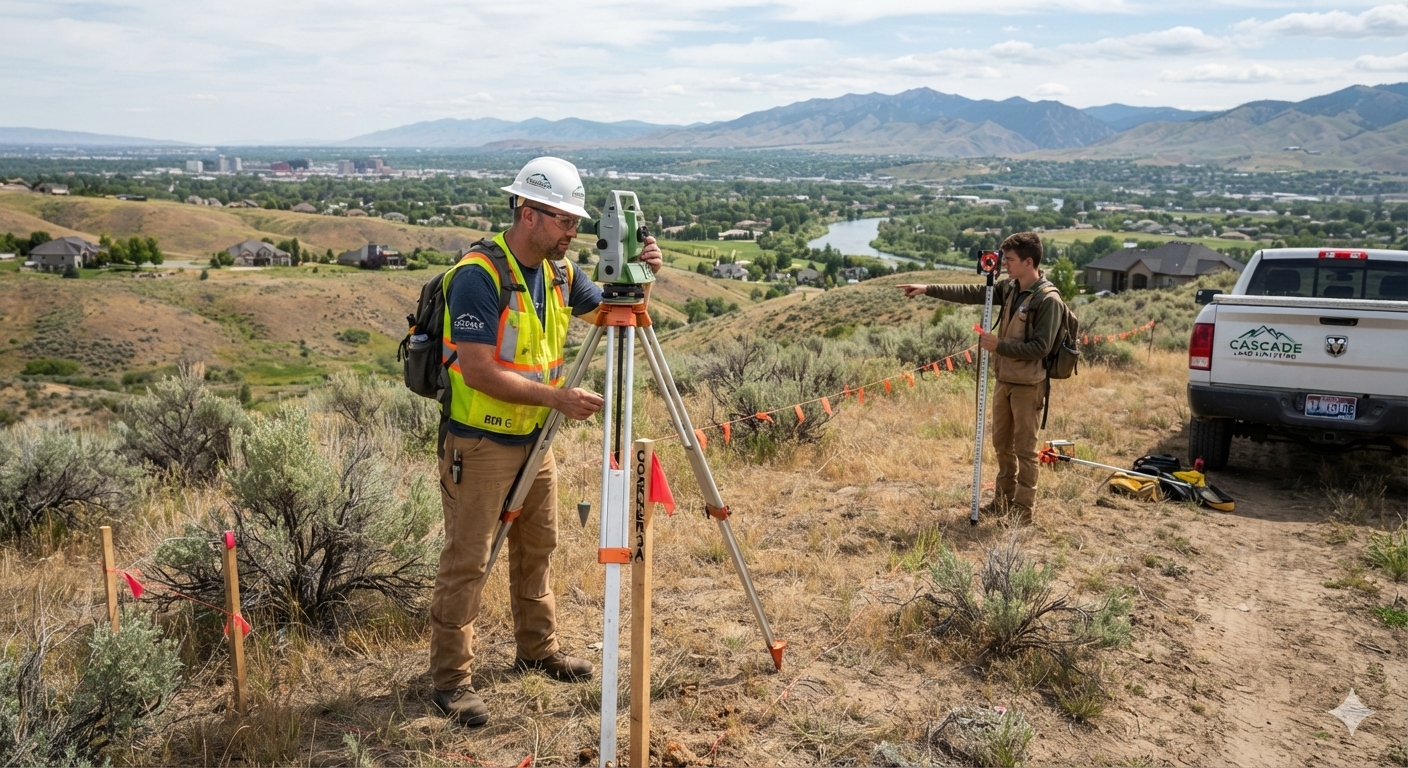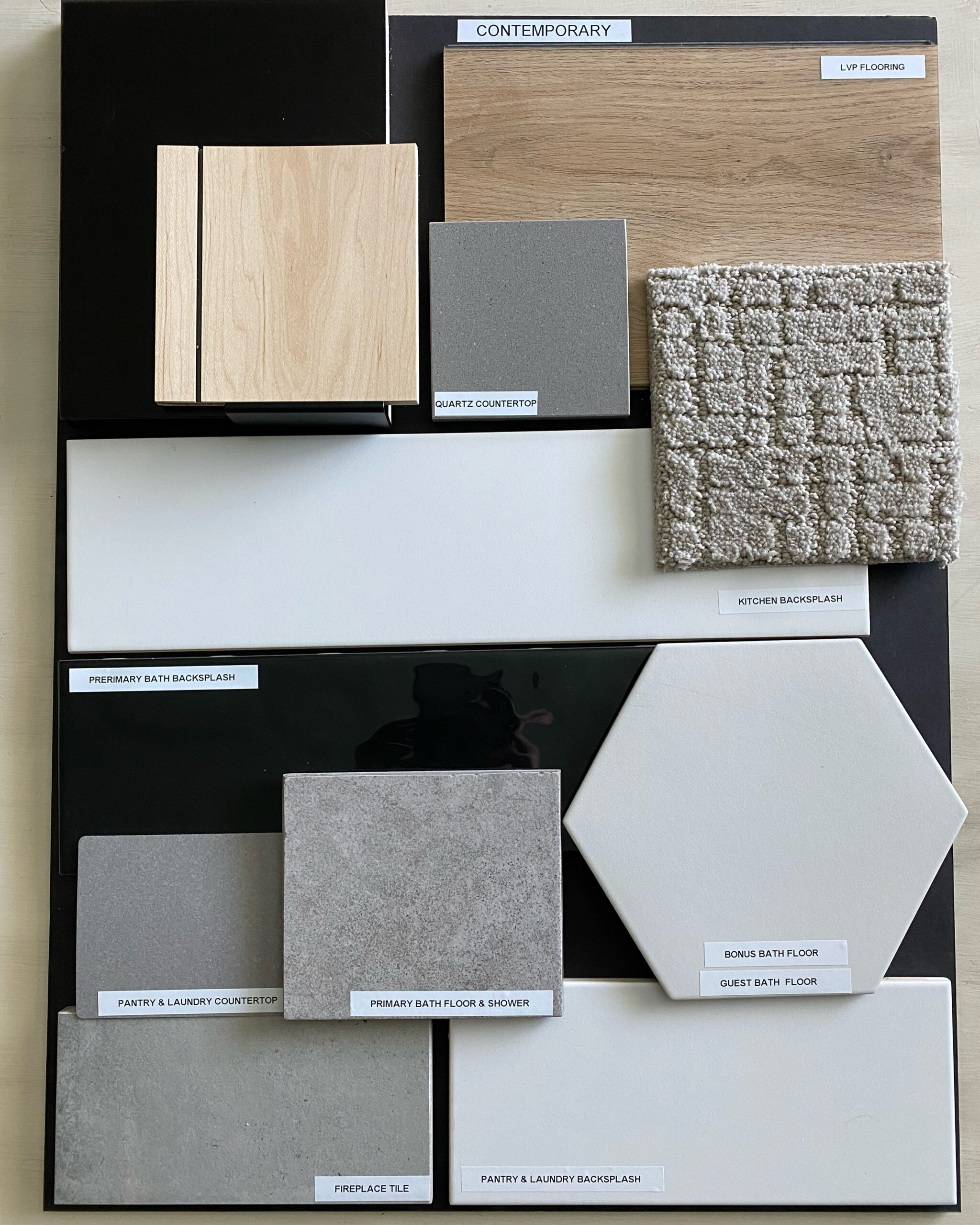
When planning a custom home on acreage, driveway costs building on land Idaho can be one of the most overlooked parts of the site development budget. Many homeowners focus on the home itself, but the driveway is one of the first things that determines how the property functions.
Driveway length, slope, drainage, road access, gravel, grading, culverts, fire access, and winter maintenance can all affect cost. A driveway on acreage is more than a path to the house. It can influence home placement, utility routes, construction access, snow removal, and the long-term usability of the property.
At Idaho Impact Homes, we look at driveway access as part of the overall site planning process. The goal is to make sure the driveway, home, well, septic system, power route, grading, and future property use work together before construction begins.
Driveway Costs Building on Land Idaho Start With Access
Before construction begins, the property needs safe and practical access from a public or private road.
Some parcels already have an existing driveway approach. Others need a new driveway, road approach, private road approval, culvert, or access permit before construction can move forward.
Driveway costs building on land Idaho can change quickly depending on where the best homesite sits. A short, flat driveway near the road will usually cost less than a long driveway that crosses slope, irrigation, drainage, rock, or soft ground.
Review access before finalizing the home location. A beautiful homesite may become more expensive if the driveway requires extensive grading, retaining, drainage work, or long utility runs.
Main Costs for Driveways on Acreage
Driveway costs depend on the land, distance, materials, and amount of site work required.
Common driveway-related costs may include:
Driveway design or site layout
Driveway approach or access permit
Clearing and grubbing
Grading and excavation
Road base
Gravel
Compaction
Culverts
Drainage improvements
Ditch crossings
Erosion control
Equipment mobilization
Temporary construction access
Snow removal planning
Future maintenance
The biggest variable is often the condition of the land between the road and the homesite. A driveway that looks simple on paper may become more complex once slope, drainage, soil, irrigation, and access requirements are reviewed.
Driveway Length Can Affect the Entire Budget
One of the biggest factors in driveway costs building on land Idaho is length.
A longer driveway requires more excavation, more base material, more gravel, more labor, and more long-term maintenance. It can also increase the cost of bringing utilities to the home if power, water, or communication lines follow the driveway route.
Long driveways may also require turnouts, turnarounds, fire access considerations, drainage planning, and more snow removal during the winter.
For acreage properties, driveway length should be discussed at the same time as home placement. Moving the house farther from the road may improve privacy or views, but it can also increase the site development budget.
Slope and Grading Can Increase Driveway Costs
Slope can have a major impact on driveway cost and usability.
A steep driveway may require more excavation, added base material, drainage solutions, retaining walls, switchbacks, or a different route to the home. Slope can also affect winter access, especially when snow and ice are part of the property’s seasonal conditions.
A driveway that works well in summer may become difficult in winter if the grade, curves, drainage, and sun exposure are not considered.
This is why driveway planning should happen early. It is easier to adjust home placement or driveway route before construction begins than to fix an expensive access issue later.
Drainage, Culverts, and Ditch Crossings Matter
Driveways on acreage often cross natural drainage areas, irrigation ditches, low spots, or roadside ditches.
If water cannot move correctly, it can wash out gravel, create ruts, soften the driveway base, or cause long-term maintenance issues. In many cases, the driveway may need culverts, ditch crossings, swales, or other drainage improvements.
Culvert size and placement can depend on the site, the roadway, irrigation features, and local requirements. This is one reason access should be reviewed before the driveway route is finalized.
Good drainage planning can protect the driveway and reduce future repair costs.
Road Access and Permits May Be Required
Driveway access often involves more than simply cutting a path from the road to the house.
Depending on the property, access may involve a city, county, highway district, private road association, or the Idaho Transportation Department. Some properties require an approach permit, encroachment permit, right-of-way review, or private road approval before construction begins.
In Canyon County, homeowners may need private road approval before the county issues a building permit for an inhabited structure that uses a private road to access a public street.
Because access requirements depend on location, homeowners should confirm which agency controls the road before planning a new driveway.
Fire Access Can Affect Driveway Design
Fire access is another important driveway consideration.
Long rural driveways may need to meet fire access standards so emergency vehicles can reach the home. This may affect driveway width, overhead clearance, turnarounds, turnouts, grade, and overall route design.
Idaho’s fire code amendments include driveway access provisions, including minimum unobstructed width and height, as well as turnaround and turnout considerations for longer driveways.
This matters for acreage properties because the most private homesite may require more planning to make emergency access practical.
Construction Access Is Different From Finished Driveway Access
The driveway also needs to support construction traffic.
Concrete trucks, framing deliveries, excavation equipment, septic installers, well drillers, utility crews, and material suppliers all need safe access to the building site. A driveway that works for a pickup truck may not work for heavy construction vehicles.
In some cases, crews may need temporary construction access before they complete the final driveway.
Driveway costs building on land Idaho should account for both construction access and the finished driveway.
Gravel, Asphalt, or Concrete?
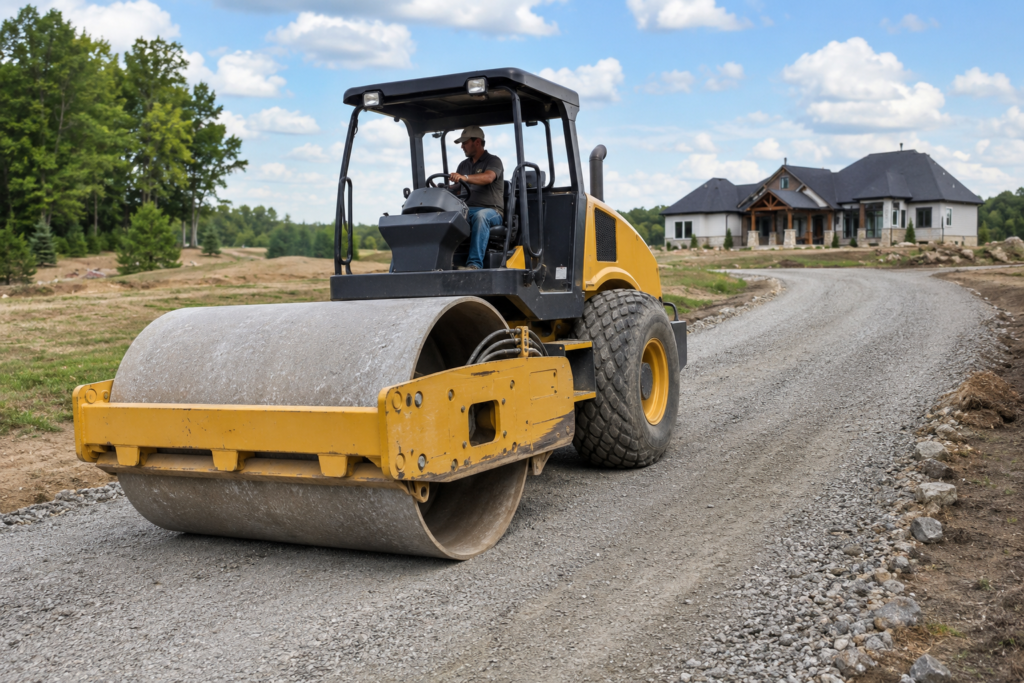
Many acreage driveways begin with gravel because it is practical, flexible, and more affordable than asphalt or concrete.
Gravel driveways still require proper base preparation, grading, compaction, and drainage. Without good preparation, gravel can rut, wash out, or require frequent maintenance.
Some homeowners eventually add asphalt or concrete closer to the home, near the garage, or in high-use areas. Others keep the full driveway gravel and invest in drainage, grading, and long-term maintenance instead.
The right choice depends on driveway length, budget, slope, snow removal, dust control, and how the homeowner plans to use the property.
Driveway Placement Can Affect Utilities
Driveway routes often influence utility routes.
Power, water lines, communication lines, and other utilities may follow or cross the driveway. If the driveway, well, septic, and home are planned separately, the project can end up with unnecessary trenching, crossing conflicts, or longer utility runs.
A coordinated site plan can help reduce rework. It also helps ensure that future improvements, such as shops, barns, gates, irrigation, or landscaping, are not blocked by poor early layout decisions.
Winter Maintenance Should Be Considered Early
Idaho winters can make driveway planning more important.
A long driveway may require snow removal equipment, plowing access, gravel maintenance, and careful drainage. Driveway slope, sun exposure, curves, and shaded areas can all affect winter usability.
South-facing driveways may melt snow faster than shaded driveways. Flat or poorly drained areas may hold ice. Long driveways with steep slopes may become more difficult to maintain during winter storms.
Planning for winter access early can improve safety and reduce frustration later.
Common Driveway Mistakes When Building on Acreage
Homeowners can avoid many driveway mistakes when they evaluate the site early.
Common issues include:
Choosing the homesite before reviewing driveway cost
Underestimating the cost of a long driveway
Ignoring slope and drainage
Forgetting about culverts or ditch crossings
Assuming a gravel driveway is automatically inexpensive
Overlooking fire access requirements
Not planning for construction traffic
Failing to consider winter snow removal
Creating utility conflicts
Blocking future shops, barns, or landscaping
These decisions can affect the budget before the home is even framed.
How Idaho Impact Homes Helps With Driveway Planning
Every Idaho Impact Homes project begins with understanding the property.
Before construction begins, we look at the site as a whole. This includes home placement, driveway access, well placement, septic location, utility routes, grading, drainage, outdoor living, and future use of the land.
Homeowners understand driveway costs building on land Idaho more clearly when they plan the driveway with the entire site from the beginning, not as an afterthought.
FAQ
What affects driveway costs building on land Idaho?
Driveway length, slope, soil conditions, gravel, grading, culverts, drainage, road access permits, construction access, fire access, and winter maintenance can all affect cost.
Do I need a permit for a driveway in Idaho?
It depends on the property and the road. Some driveways require an approach permit, right-of-way permit, encroachment permit, highway district approval, or private road approval.
Does driveway length affect utility costs?
Yes. Long driveways can increase utility costs if power, water lines, or communication lines need to run along the same route to reach the home.
Should I plan the driveway before finalizing the home location?
Yes. Driveway access should be reviewed before finalizing the home location. A private or scenic homesite may increase driveway, drainage, utility, and fire access costs.
Can Idaho Impact Homes help evaluate driveway access?
Yes. Idaho Impact Homes can help evaluate driveway access as part of the larger custom home planning process. This includes home placement, well location, septic considerations, utility routes, grading, drainage, and future property use.
Planning for Driveway Costs Building on Land Idaho?
If you are planning to build a custom home on acreage in Caldwell, Nampa, Middleton, Star, Eagle, Kuna, Boise, or the surrounding Treasure Valley, Idaho Impact Homes can help you evaluate the property before construction begins.
Contact Idaho Impact Homes to schedule a consultation and better understand driveway access, site costs, utility routes, and the planning decisions involved in building on your land.