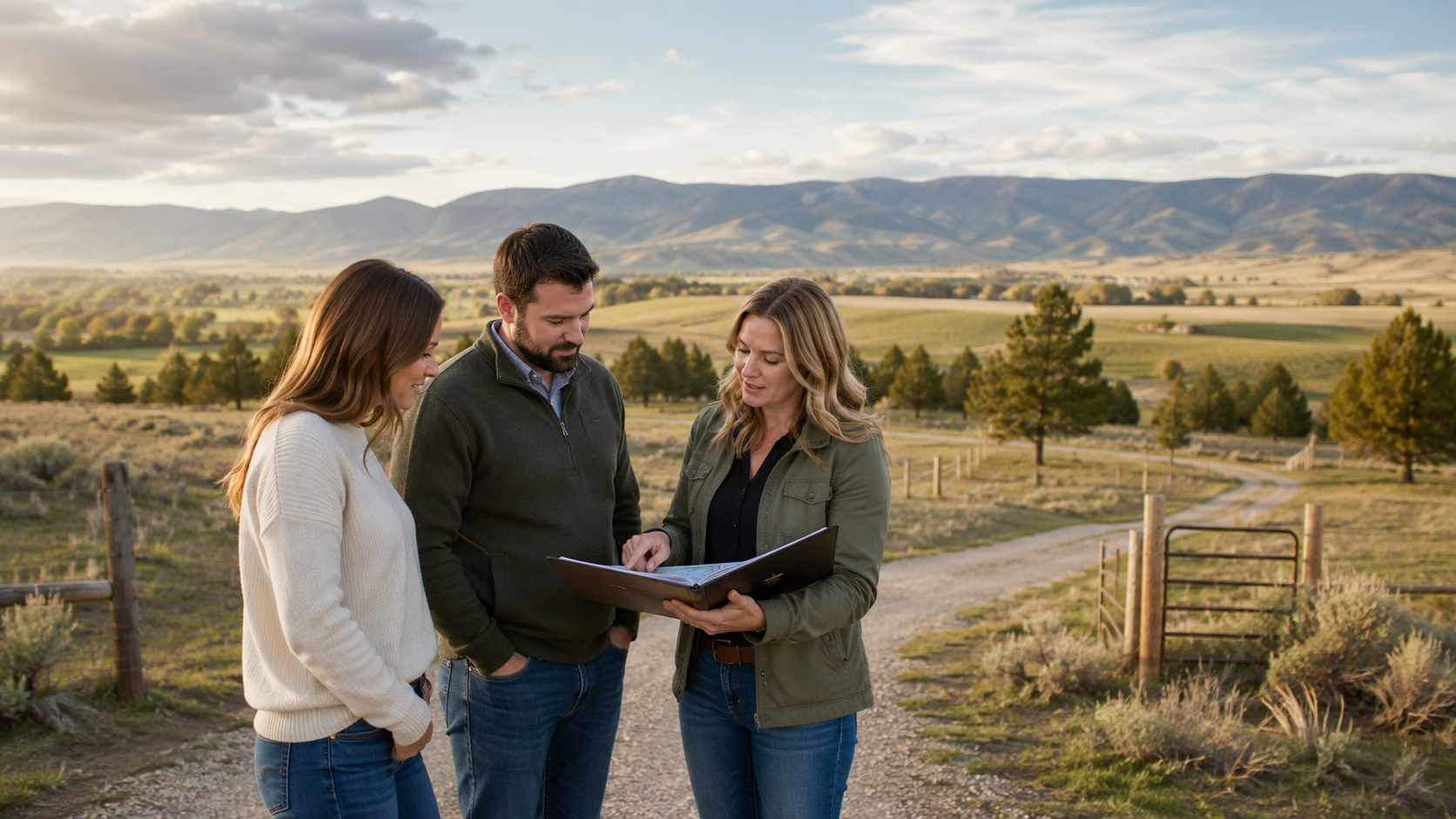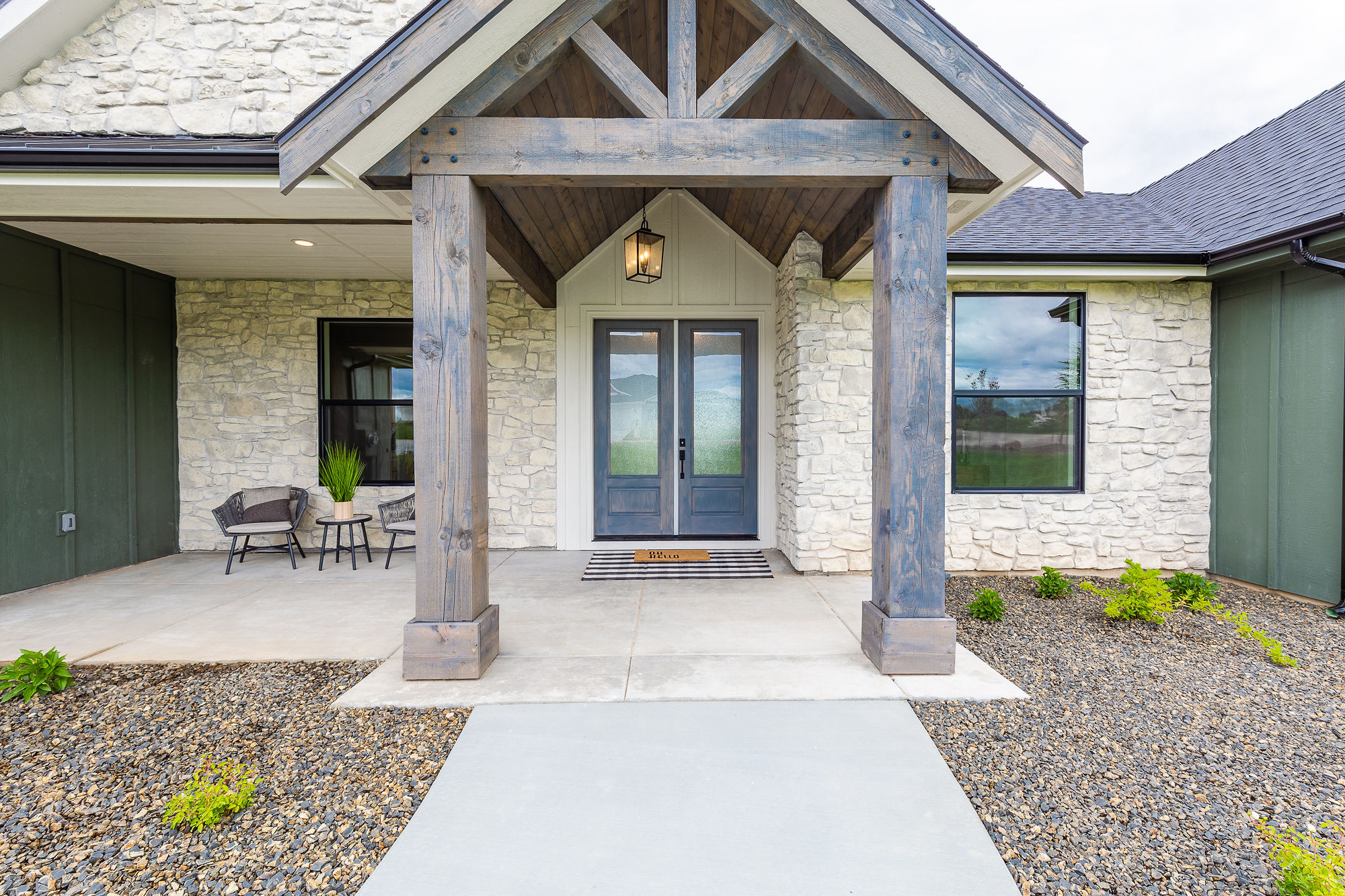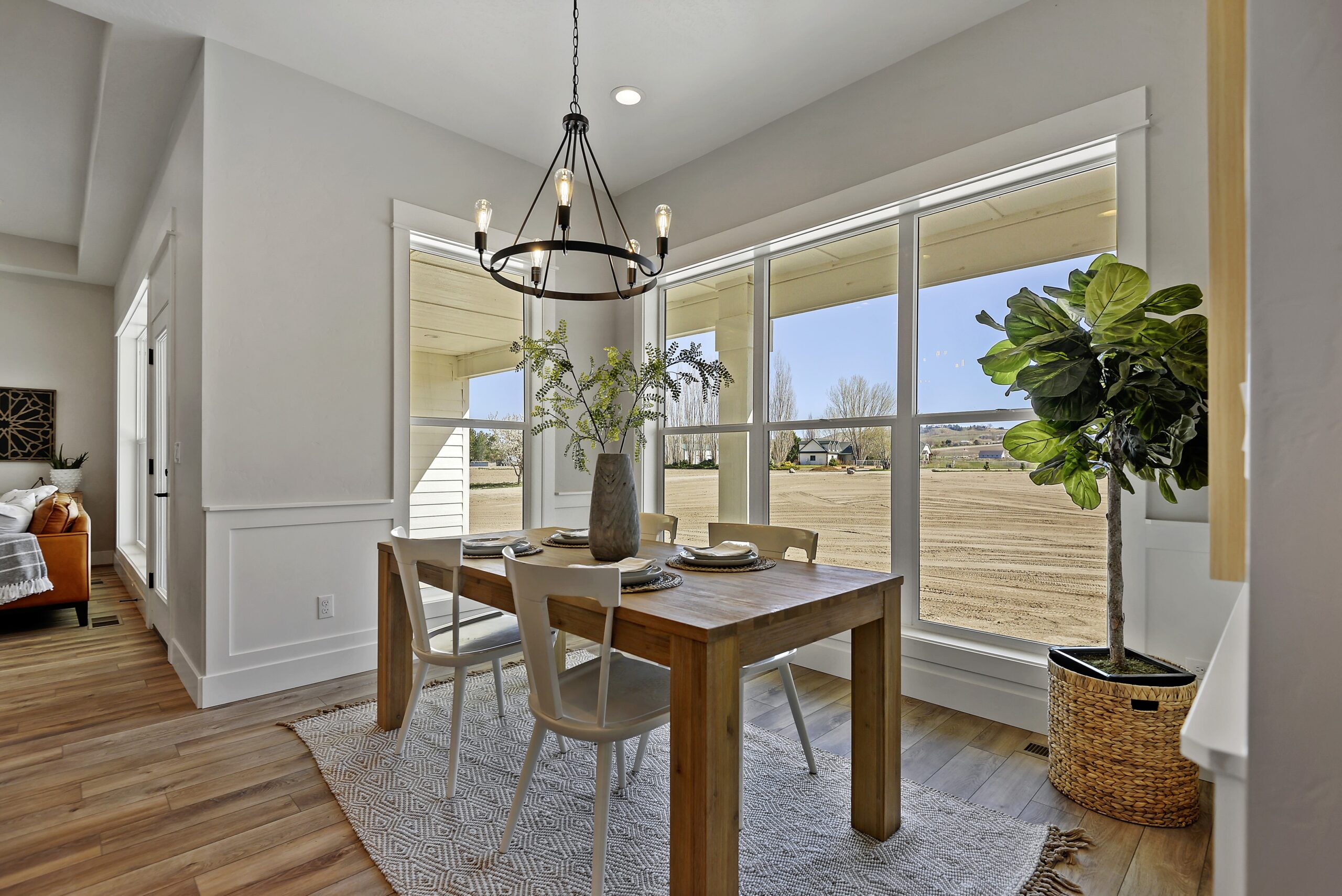
Before you buy acreage in Idaho, turn the property’s possibilities into questions you can verify. A view, a fence and a listing description are only a starting point. Use these ten questions to organize the records, professional input and remaining decisions that matter to your intended home, shop and outdoor space.
For each question, record the answer, supporting document, person or agency that confirmed it, and any unresolved condition. An unanswered question is still an unknown. It is not evidence that a parcel will—or will not—work.
1. Before you buy acreage in Idaho, is your intended use allowed?
First, start with the property’s parcel number and actual jurisdiction. Ask the responsible planning office about the proposed home and any shop, animals, accessory dwelling, business use or future division that matters to you. Also review the recorded plat and any conditions attached to the parcel.
A mailing address near Boise, Caldwell or Emmett does not establish the governing rules. Write down which authority applies and which approvals your intended use still needs. Do not treat physical room for a second structure as permission to build it.
2. What establishes the boundaries and usable building area?
Next, gather the legal description, recorded survey or plat, and available boundary information. Ask a qualified surveyor what additional work is needed if boundaries or site information are uncertain. A fence or online parcel outline is not a substitute for a boundary determination.
Then identify the setbacks, easements and other constraints that affect placement. Our buildable land in Idaho guide explains why total acreage and usable homesite area are different questions. Keep the source for each constraint with your property notes.
3. Do I have the access rights and approach approvals I need?
Ask your real estate and title professionals to identify the documents establishing access. Where a private road or shared driveway is involved, review the recorded rights and maintenance responsibilities with qualified help. Visible vehicle tracks alone do not answer those questions.
Separately, identify the road authority and any required driveway or approach approval. Ask about practical construction access and applicable emergency-access requirements. Keep legal access, permission for the approach, and the ability to use it as three separate checks.
4. What is the wastewater solution, and what has actually been approved?
For example, if public sewer is proposed, obtain provider confirmation of the service and connection requirements. If septic is proposed, obtain the available evaluation and permit records and confirm their status with the local public health district.
Idaho DEQ identifies public health districts as the point of contact for site evaluations, septic permits and property-specific questions. Ask how the proposed home, bedroom count, system location and any required replacement area relate to the approval. A nearby working system does not establish approval for this parcel.
If septic approval is essential to your purchase, treat it as a decision that must be resolved with your advisers before you commit. Do not substitute an assumption or an informal seller statement for the required evidence.
5. How will the property receive the water I intend to use?
Identify whether household water will come from a utility, shared system or private well. For a well, gather available records and discuss them with a licensed driller. IDWR’s well-construction resources include drilling information and searches for well records and licensed drillers. Nearby logs provide context, not a guarantee of your well’s outcome.
Keep household supply and irrigation plans separate. Ask the relevant provider, irrigation organization and qualified advisers what rights, service arrangements and responsibilities apply. Do not assume that a ditch beside the parcel provides usable irrigation water.
6. Can utilities reach the planned homesite?
Ask the actual providers about power and any other services you need. Request information tied to the parcel, intended service point and project needs, including routes, easements, connection work and the limits of the provider’s scope.
Also, clarify which items require a design, site visit or formal application before a reliable quote is available. Record unavailable figures as unknown. A power line visible from the property is not a written service plan or a verified connection price.
7. Which site conditions need further investigation?
Next, review the slope, drainage, apparent fill, existing improvements and available site reports with the appropriate professionals. Ask what information is missing before decisions about excavation, foundations or retaining work are made.
The FEMA Flood Map Service Center is a starting point for mapped flood-hazard information. Ask the local floodplain authority how the information applies to the parcel and proposed work. A map check does not replace a property-specific drainage review or establish that flooding is impossible.
8. What restrictions and shared obligations will continue after purchase?
In addition, review title exceptions, recorded easements, CC&Rs, subdivision conditions and any applicable association documents. Identify obligations involving roads, wells, irrigation facilities, drainage or shared systems.
Ask who maintains each shared improvement, how costs are allocated, and whether your planned use fits the recorded terms. Have legal questions interpreted by a qualified professional. Keep unresolved document questions distinct from assumptions about how neighbors currently use the land.
9. Before you buy acreage in Idaho, can your plans fit?
Then, sketch the intended home, shop, parking, driveway, outdoor living space and animal areas alongside the known constraints. Include utilities and wastewater areas. This is an early coordination exercise, not an approved site plan.
Our article on involving a builder before buying land explains the construction-side conversation. Bring your priorities and available records so the builder can identify questions that affect placement and project planning. Preserve the room needed for uses that matter most rather than assuming you can add them anywhere later.
10. Before you buy acreage in Idaho, what does the full budget include?
Finally, separate land purchase, professional work, permits, site improvements, utilities, the home and any later improvements. Ask for current, property-specific pricing with a clear scope, exclusions and assumptions. Leave unpriced work visibly unresolved instead of filling gaps with a nearby project’s costs.
Discuss the purchase terms, financing conditions and due-diligence deadlines with your real estate, lending and legal advisers. Agree who will resolve each outstanding item and when the information is needed. A lender’s approval, a listing description and a builder conversation each answer different questions.
Before you buy acreage in Idaho: turn answers into a next step
At the end of the review, sort your notes into confirmed information, conditions still to satisfy and unanswered questions. Keep the supporting documents together. Then decide with your advisers whether the parcel fits your intended use and acceptable level of uncertainty.
Idaho Impact Homes helps landowners coordinate site planning, design and construction. Visit our Build on Your Land page for the acreage-planning overview and the Acreage & Lot Readiness Checklist entry point. Contact Idaho Impact Homes with your property information and home goals to discuss the construction-planning questions.
This guide is educational. It does not certify buildability or replace a survey, title review, engineering evaluation, permit decision or advice about a purchase agreement.