
Custom home appraisals in Idaho differ from appraisals of existing homes because the house may not exist yet. The Consumer Financial Protection Bureau explains that an appraisal provides an independent opinion of a property’s value. With a custom build, the appraisal may occur before the home exists.
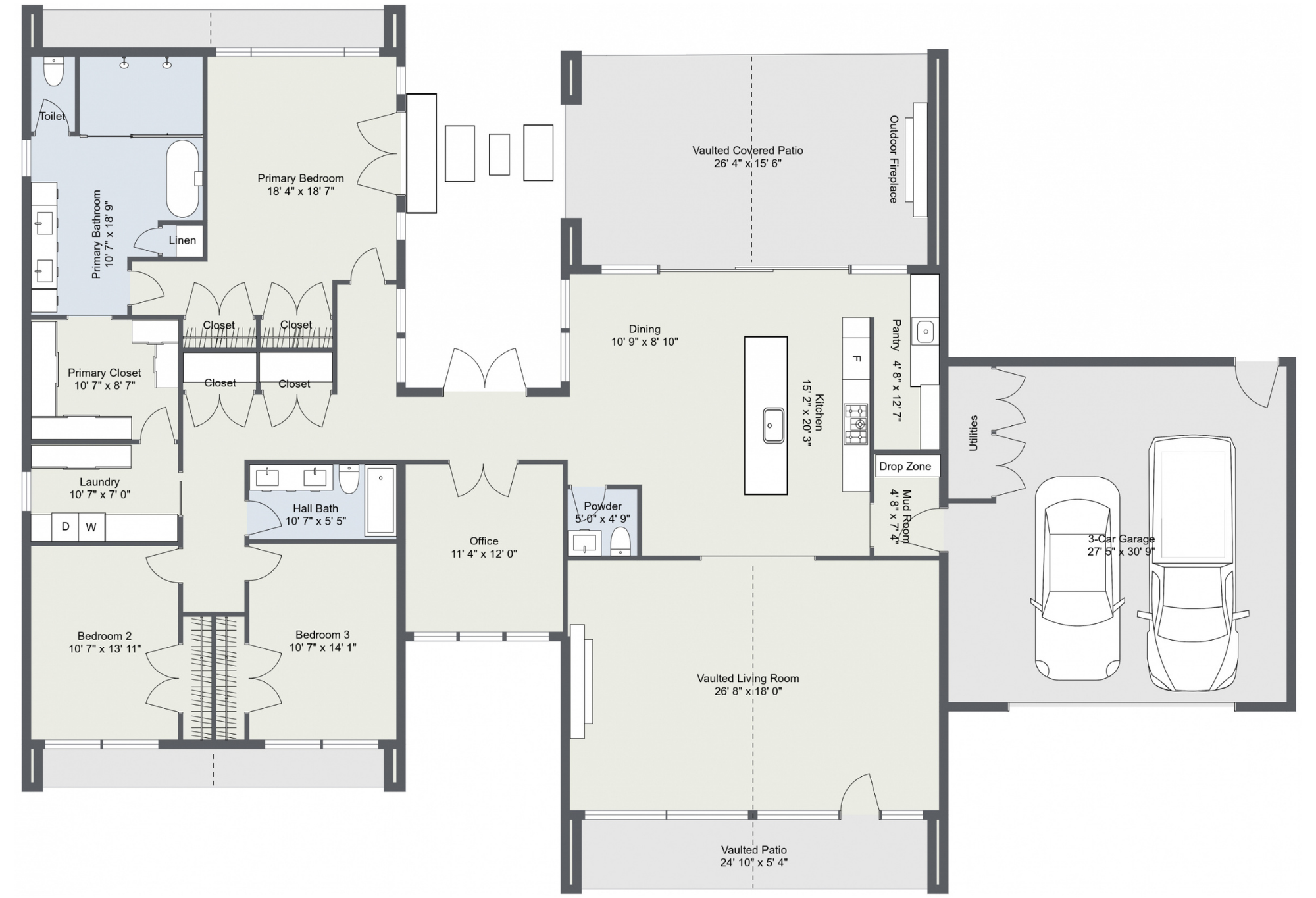
For example, the appraiser may be working from plans, specifications, the property, proposed improvements, and available market information to develop an opinion of the completed home’s value. That creates an important distinction for homeowners:
The cost to build a custom home and its appraised value are not necessarily the same number.
Therefore, understanding that difference early can help buyers coordinate design, construction budgets, land decisions, and financing more effectively.
Why Lenders Require Custom Home Appraisals in Idaho
In practice, a lender uses an appraisal as part of its evaluation of the property securing the loan. For a proposed custom home, the lender generally needs information about what is being built and what the completed property may be worth.
However, the lender, loan program, property, borrower, and project can all affect the process. Homeowners should obtain requirements directly from their lender rather than assuming that one construction-loan experience will match another.
Custom Home Appraisals in Idaho: Cost vs. Market Value
First, construction cost reflects what it takes to produce a specific project. Our guide to custom home costs in Idaho explains the major budget categories that can affect a project. That may include materials, labor, site work, design decisions, market conditions, and property-specific complexity.
By contrast, appraised value is an opinion developed under the appraisal assignment and applicable standards. It is not simply the total of every dollar spent.
A feature can be important to the homeowner without adding the same amount to market value. Likewise, difficult excavation or a long utility run may be necessary construction expenses but may not receive equal dollar-for-dollar recognition in the appraisal.
However, this does not mean those decisions are wrong. It means homeowners should not treat personal value, construction cost, and appraised market value as interchangeable.
What Information May Be Reviewed
For example, the specific appraisal process varies, but a proposed-construction assignment may involve information such as:
- The building site
- Construction plans
- Square footage and layout
- Specifications and finishes
- Bedroom and bathroom count
- Garage and shop features
- Site improvements
- Location and surrounding market
- Relevant comparable sales
- The anticipated completed condition
Therefore, clear, consistent plans and specifications help the project team describe the details of the proposed project. If the estimate, plans, and specifications do not align, questions or delays may result.
Comparable Properties in Custom Home Appraisals in Idaho
Comparing custom homes is often difficult because their properties, features, and locations are not identical.
For example, an appraiser may look for relevant market evidence, but acreage homes can vary in land size, utility systems, shops, views, access, condition, age, and construction quality. A highly personalized home may have fewer close comparisons.
Homeowners should not assume that the appraiser will treat a nearby listing or pending sale in a particular way. The appraiser determines which information is relevant under the assignment, and the lender may have its own requirements.
Acreage Adds Complexity
Similarly, acreage projects may include costs and features that are less common in subdivisions. Our build-on-your-land planning resources explain why access, utilities, drainage, and site conditions matter. These projects may include:
- Wells and septic systems
- Long driveways
- Utility extensions
- Extensive grading
- Shops or barns
- Fencing or animal areas
- Unusual views or privacy
- Large garages or RV bays
As a result, these features can be important to how the property functions. Their appraisal treatment depends on market evidence and the specific assignment. Avoid assuming that every improvement will return its full construction cost in appraised value.
Custom Features and Personal Priorities
In addition, custom construction gives homeowners the opportunity to build around their lifestyle. That may mean premium finishes, specialized rooms, extensive outdoor living, an oversized shop, or a layout designed for a particular household.
Therefore, the more specialized a feature becomes, the more important it is to distinguish three questions:
1. What does it cost? 2. What is it worth to the homeowner? 3. How might the market and appraiser view it?
Ultimately, those answers may differ. A thoughtful design process helps homeowners decide where personalization is essential and where flexibility may protect the larger project budget.
What Happens if the Appraisal Is Below the Project Cost?
However, an appraisal below the proposed project cost may affect financing. The exact consequences depend on the lender, loan structure, borrower, appraisal, and project.
For example, possible next steps may include reviewing the appraisal through the lender’s established process, revising the project, changing specifications, contributing additional funds, or considering other lender-provided options. No one should assume any of those outcomes in advance.
Therefore, the homeowner should discuss the specific situation with the lender and qualified financial professionals. The builder can help explain the construction scope and estimate, but the builder does not control the appraisal or lending decision.
Reduce Surprises Through Early Coordination
Although planning cannot eliminate appraisal risk, it can prepare the project more effectively.
For example, helpful planning steps include:
- Reviewing our guide to construction loans in Idaho and talking with a lender early
- Understanding what documentation the lender requires
- Evaluating the land and site-development budget
- Developing plans and specifications that match the estimate
- Separating essential features from optional upgrades
- Discussing highly specialized improvements before final design
- Maintaining appropriate financial flexibility
Ultimately, the goal is not to design solely for the appraisal. It is to understand the financing framework while making informed decisions about the property and home.
Questions to Ask the Lender
- When will the lender order the appraisal?
- Which plans and specifications does the lender require?
- How are land and site improvements considered?
- What happens if the appraisal is below the project cost?
- Is there a lender process for correcting factual errors?
- Will design changes require another review?
- How long is the appraisal valid for this loan?
- How could a delayed appraisal affect closing or construction?
Therefore, ask the lender to explain the answers for the specific loan rather than relying on general internet guidance.
Builder, Lender, and Appraiser Roles
Meanwhile, each party has a different responsibility.
The homeowner makes project and financing decisions. The builder develops the construction scope, estimate, and supporting project information. The lender establishes lending requirements and makes credit decisions. The appraiser develops an independent opinion under the appraisal assignment.
As a result, clear documentation and prompt communication help those roles work together without blurring them.
Planning a Custom Home in Idaho?
Finally, evaluate financing, land, design, specifications, and site costs as parts of one project.
Finally, Idaho Impact Homes can help prospective homeowners develop the construction information needed to have productive conversations with their lender and other project professionals.
Contact Idaho Impact Homes to discuss your property, proposed home, specifications, and construction-planning needs.
This article provides general information about custom-home planning and is not financial, lending, appraisal, tax, or legal advice. Appraisal methods, lender requirements, loan terms, and available options vary. Consult the lender, appraiser, and other qualified professionals regarding your specific situation.