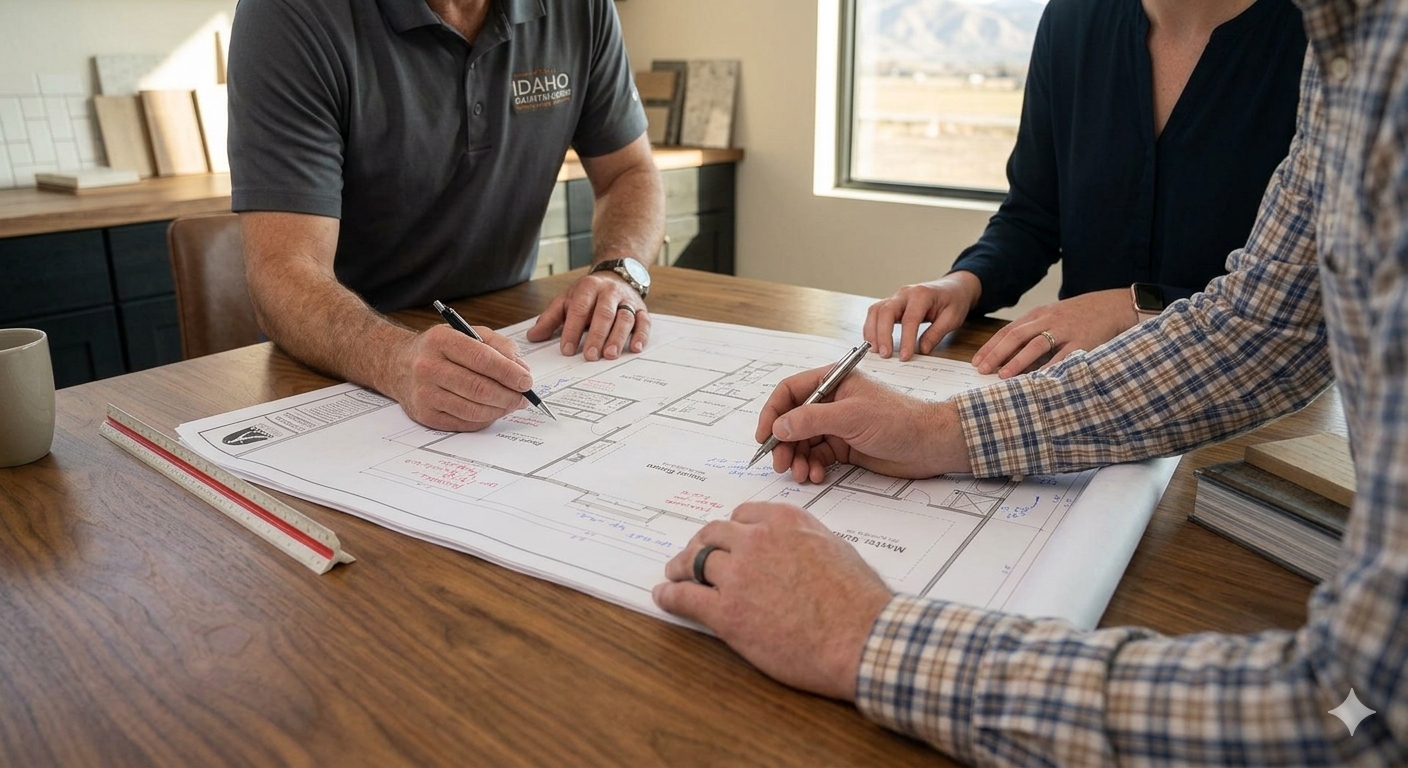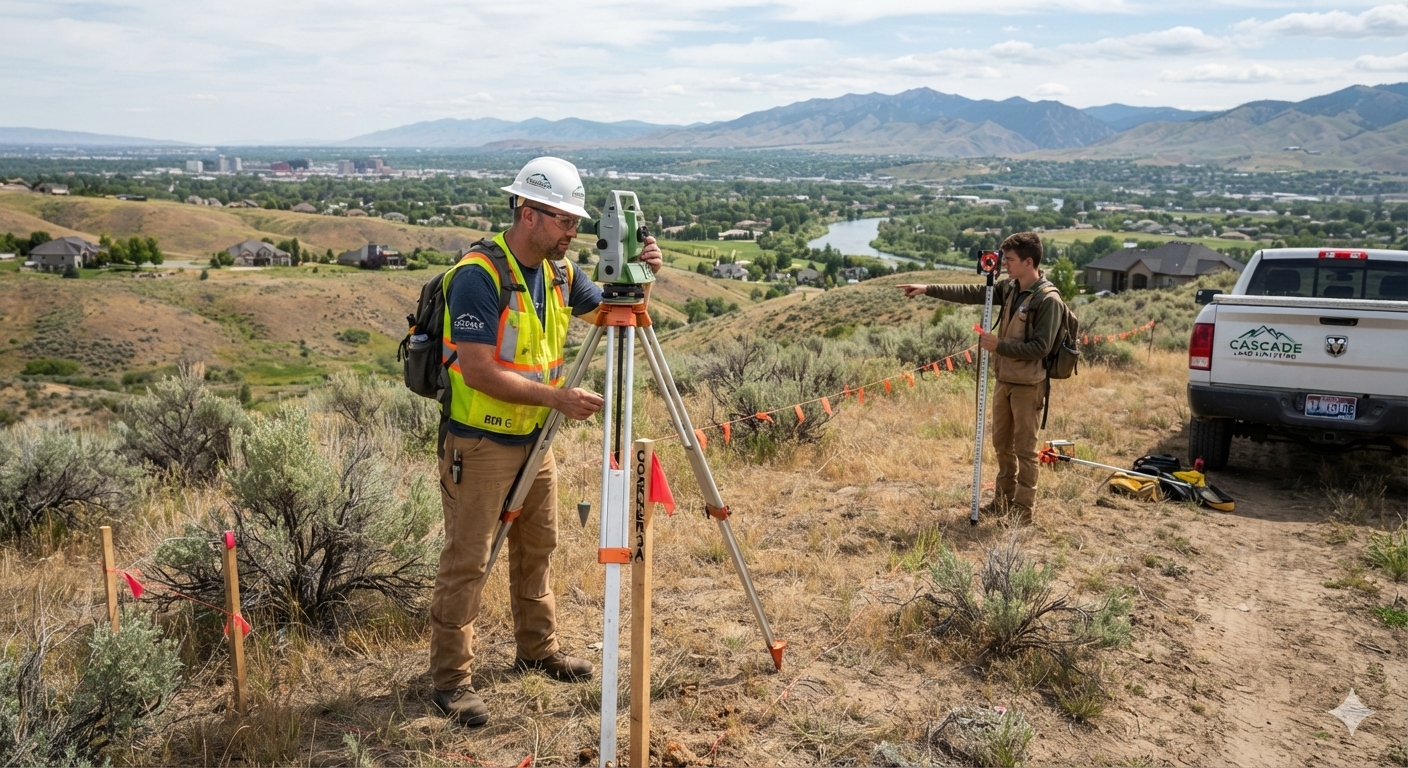
Custom home costs in Idaho depend on more than square footage. Many homeowners want a simple price per square foot, but that number rarely tells the full story. Two homes with the same square footage can have very different budgets depending on the land, design, site work, utilities, finishes, permits, engineering, and construction process.
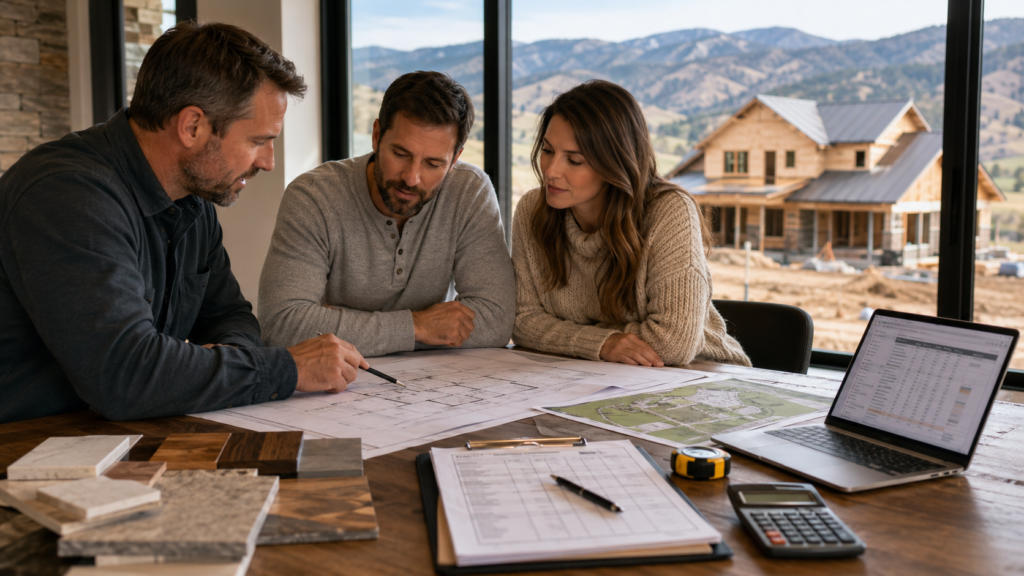
Custom Home Costs in Idaho Start With the Full Project Scope
The cost to build a custom home in Idaho starts with the full scope of the project.
A custom home budget should include more than framing, concrete, roofing, siding, plumbing, electrical, HVAC, cabinets, countertops, and flooring. Those items matter, but they only represent part of the total investment.
A complete budget may also need to account for:
Land development
Driveway access
Excavation and grading
Septic system
Well installation
Power service
Utility trenching
Permits
Engineering
Design work
Selections and finishes
Temporary construction access
Landscaping allowances
Construction loan costs
Closing costs
Contingency funds
Some properties already have utilities, access, and usable building areas. Others need significant work before the home can begin. That is why the total cost can vary so much from one project to another.
Price Per Square Foot Does Not Tell the Whole Story
Price per square foot can be useful as a rough starting point, but homeowners should not rely on it as the only number.
A simple rectangular home with a straightforward roofline, standard finishes, and easy site access will usually cost less per square foot than a highly customized home. Complex rooflines, large windows, extensive tile, specialty cabinetry, outdoor living spaces, and challenging site conditions can all change the budget.
Square footage does not tell you how complicated the home is.
For example, a 2,800-square-foot home with a simple layout may cost less than a 2,800-square-foot home with multiple rooflines, large covered patios, high-end windows, a large garage, bonus room, custom cabinetry, extensive stonework, and a complicated foundation.
This is why homeowners should be careful when comparing builders based only on a square-foot number. The better question is what the number includes.
Idaho Impact Homes estimates the full project scope, including the work needed to turn raw land into a livable home on developed land. When comparing the cost per square foot to build in Idaho between multiple builders, make sure you receive an apples-to-apples estimate.
Land and Site Costs Can Change Custom Home Costs
Land and site costs can have a major impact on the cost to build a custom home in Idaho.
A flat parcel with nearby utilities, good access, favorable soil, and a simple building pad may cost less to develop. A sloped acreage property with a long driveway, no utilities, difficult drainage, or poor soil may need a much larger site budget.
Common site costs can include excavation, grading, temporary construction access, driveway work, culverts, drainage improvements, retaining walls, soil hauling, utility trenching, and erosion control.
These costs belong to the land, not just the house.
A lower-priced parcel may seem like a better deal at first, but it may cost more to develop. A more expensive parcel may support a smoother build if it already has usable access, favorable soil, nearby utilities, and a practical homesite.
At the homeowner’s request, Idaho Impact Homes can also include site security features in the estimate. That may include fencing and jobsite security cameras. These features can help deter trespassers, curious neighbors, or kids from entering the site.
This is why a builder should evaluate the property before finalizing the full budget.
Utilities Can Raise Custom Home Costs in Idaho
Utilities can significantly affect the cost of building on acreage.
If the property does not connect to city water or city sewer, the home may need a private well and septic system. If power is not already available near the homesite, the project may also need utility coordination, transformer work, trenching, conduit, overhead or underground service, and temporary construction power.
Well costs can vary depending on drilling depth, water quality, pump needs, ground conditions, and drilling access. Septic costs can vary based on soil type, slope, system design, drain field location, setbacks, and whether the property needs a standard or engineered system.
Power costs can also vary widely. Nearby power does not always mean inexpensive power. The distance from existing infrastructure, utility requirements, trenching, transformer needs, and overhead versus underground service can all affect the final number.
Right-of-Way Access Can Affect Utility Costs
Right-of-way access can also create challenges. Some neighbors may refuse to allow a power line to cross their property. Others may allow access if the request feels reasonable and respectful.
Some neighbors may agree to work out a deal so the power line can run in a straighter line. A straighter route can sometimes save money and simplify installation.
Here is a tip from someone who grew up in this area. Farmers, ranchers, and other landowners may respond better to a helpful service than a cash offer. Do they need a fence mended? Could you help stack hay? My personal favorite is offering to feed livestock or water land so they can take a vacation.
You might say, “If you ever need someone to feed and water so you can go out of town, let me know. I would be glad to help for a few days if needed.”
A helpful and friendly neighbor is something money cannot buy.
For acreage builds, utilities should be reviewed early so they do not become a surprise later. It is much more challenging to keep a project on schedule and on budget when the team has to solve a major utility issue on site instead of in the office.
Driveway Access and Excavation Affect Custom Home Costs
Driveway access can also affect the total cost to build a custom home in Idaho.
Some properties already have an approved approach or driveway. Others need a new road approach, culvert, bridge, ditch crossing, private road approval, gravel, road base, grading, or temporary construction access.
Driveway approaches cannot always be installed anywhere you want on the property. The road department needs to make sure the approach sits in a safe location for entering and exiting the roadway. This can include reviewing bus stop locations and visibility from the road.
A long driveway can increase both driveway costs and utility costs. If power, water lines, or communication lines follow the driveway route, the length of the driveway affects more than gravel and excavation.
Excavation is another major factor. A building pad may require clearing, cut and fill, compaction, retaining walls, drainage improvements, or soil stabilization. If crews cannot reuse excavated soil on site, they may need to haul it away. If the site needs additional material brought in, that can also increase the budget.
Driveway access and excavation should be considered before choosing the final home location. For example, if you have a long vehicle pulling a long trailer, you will need a large area to turn around. You will also need a surface that stays drivable in all weather conditions, without sinking or losing traction.
Slope Can Affect Foundation and Site Costs
Building on sloped land can create beautiful views, privacy, and a more custom feel, but it can also affect the budget.
Even a gentle slope can change the foundation design. A home may need a stepped foundation, pony walls, additional concrete work, more excavation, retaining walls, drainage planning, or a different garage approach.
A steeper site may need a topographic survey, engineering, soil testing, retaining wall design, or a more detailed drainage plan. Snow, ice, and driveway grade can also affect the design.
Slope is not automatically a problem. Some of the most interesting custom homes are built on sloped land. However, the slope needs to be evaluated early so the design, site plan, and budget all work together. Idaho Impact Homes evaluates the land first and then develops a floor plan that works with the land rather than against it.
Floor Plan Complexity Affects Custom Home Costs
The floor plan itself plays a major role in Custom home costs will always depend on the details, but the team can review those details early.
A simple, efficient floor plan is usually more cost-effective than a plan with many corners, complicated rooflines, unusual foundation shapes, extensive covered patios, or highly customized spaces.
Cost can increase when a home includes:
Large garages
Bonus rooms
Complex rooflines
Vaulted ceilings
Large window packages
Extensive covered patios
Custom staircases
Walkout basements
Specialty rooms
Large pantry or prep kitchen areas
Multiple fireplaces
Extensive built-ins
High-end exterior materials
This does not mean homeowners should avoid custom features. It simply means those features should be understood as budget decisions.
Idaho Impact Homes includes specialty requests in the budget. This helps us understand each client’s wants versus needs. If a client requests a custom feature, other selection items may need a lower allowance to keep the total budget in line.
A well-designed custom home balances function, beauty, and cost. The best floor plan is not always the largest or most complicated plan. It is the plan that supports the homeowner’s lifestyle and fits the land well.
Selections and Finishes Can Increase Custom Home Costs
Selections and finishes can change the final cost of a custom home.
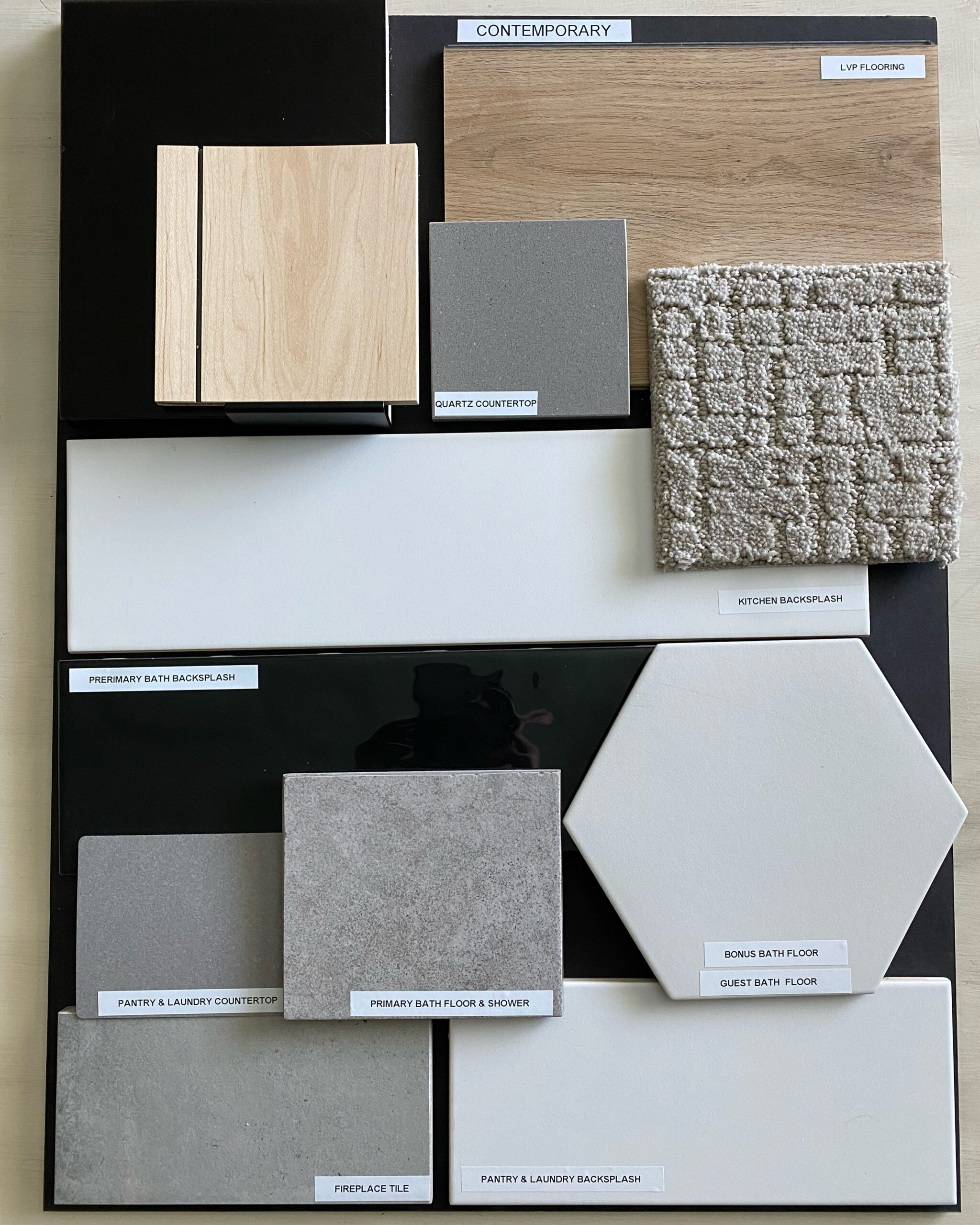
Cabinets, countertops, flooring, tile, plumbing fixtures, lighting, appliances, windows, doors, siding, roofing, masonry, hardware, and paint selections all affect the budget.
Some selections create larger cost changes than homeowners expect. Cabinets, windows, tile, appliances, exterior materials, and plumbing fixtures can move the budget quickly depending on the level of customization.
This is why allowances need to be realistic. If an allowance is too low, the estimate may look appealing at first but become frustrating later when the homeowner begins making real selections.
This is sometimes referred to as a bait-and-switch. A company may secure your business with a lower number, but the included product may fall below your expectations. This is why you should always compare apples-to-apples quotes when reviewing prices.
At Idaho Impact Homes, we believe the budget should match the type of home the client actually wants to build. A clear selections process helps homeowners understand where their money is going and where they may want to invest more or simplify.
We provide a full selection sheet for our clients to review. Transparency is a value of Idaho Impact Homes. You will be able to see the manufacturer, make, model, color, and size of your selections before they are finalized. Having everyone on the same page is good business, and it also supports a timely and efficient project.
Permits and Engineering Can Increase Custom Home Costs in Idaho
Permits and jurisdiction requirements can also affect the cost to build a custom home in Idaho.
Depending on the property, a project may involve a city, county, highway district, health district, irrigation district, fire district, utility company, or state agency.
The project may need approvals for the building permit, driveway approach, septic system, well, right-of-way access, grading, floodplain review, utility work, or engineering.
Some properties also need additional engineering. This may include structural engineering, civil engineering, retaining wall design, drainage planning, geotechnical reports, or topographic surveys.
These requirements are not always obvious when a buyer first looks at land. A property may appear ready to build but still require several approvals before construction can begin.
The earlier the team identifies these requirements, the easier it is to build a realistic budget and schedule. A piece of land must be buildable. If permit applications are not available for that property, you will not be able to obtain a building permit. This should be evaluated before purchasing land.
Construction Loan and Closing Costs Should Also Be Considered
Construction loan costs are separate from the construction budget itself, but they still affect the amount of money a homeowner may need for the project.
Depending on the lender and loan structure, buyers may need to plan for down payment requirements, appraisal fees, loan fees, title fees, closing costs, interest during construction, and possible rate changes before the home is complete. The cost of the land should include all of these items, not just the purchase price.
These costs should be discussed with a qualified construction lender early in the process. The goal is to make sure the land purchase, construction budget, site costs, and financing structure all work together and fit within the budget.
It can be expensive to get more money from the lender after a loan has already funded. You may need to pay origination fees, and you may also receive a higher interest rate.
This topic does not need to drive the entire construction-cost conversation, but it should not be ignored. A strong project budget should account for both the build and the financial requirements around the build.
Timeline and Market Conditions Can Affect Cost
Timeline can also affect the cost to build a custom home.
Material costs, labor availability, subcontractor schedules, interest rates, permitting timelines, weather, and utility coordination can all influence the final project cost. A delay in one part of the process can create pressure in another part of the schedule.
For example, delayed utility installation may affect framing or mechanical work. Weather can slow excavation, driveway access, foundation work, or exterior finishes. Permit revisions can also delay the schedule and create additional coordination.
A clear pre-construction process helps reduce these risks. The more decisions the team makes before construction begins, the easier it is to keep the project moving.
Builder Process Matters
The builder’s process can affect both the experience and the final cost.
A strong process should help homeowners understand the land, home design, site costs, utilities, selections, permits, schedule, and allowances before construction begins.
Without enough planning, the team can miss important details. A driveway may be longer than expected. Utility routes may conflict with septic placement. Selections may exceed allowances. Engineering may become necessary after the design is already underway. Site work may cost more than expected because no one fully evaluated the land.
A clear process does not eliminate every unknown, but it helps reduce unnecessary surprises. If a process is not clearly understood, the schedule cannot be fully understood. This means you may pay longer on a construction loan.
At Idaho Impact Homes, we focus on understanding the full project before construction starts. That includes the home, the land, the utilities, the site conditions, and the homeowner’s goals.
Common Budget Mistakes Homeowners Make
Many homeowners underestimate the full cost of building because they focus only on the house.
Common budget mistakes include:
Comparing builders by square-foot price only
Buying land before understanding site costs
Assuming nearby utilities will be inexpensive
Forgetting about driveway access
Underestimating excavation and grading
Choosing a floor plan that does not fit the land
Using unrealistic allowances
Ignoring septic and well costs
Forgetting about construction loan and closing costs
Waiting too long to make selections
Leaving too little room for contingency
These mistakes can create stress during the build. They can also force homeowners to make rushed decisions, reduce finishes, or change plans after money has already been spent.
The best way to avoid these issues is to understand the full project before construction begins.
How Idaho Impact Homes Helps Homeowners Understand the Full Budget
Idaho Impact Homes helps homeowners look at the full picture.
We consider the home design, land, site costs, utilities, driveway access, septic, wells, power, excavation, permits, engineering, selections, and future property use. We also help homeowners understand how the floor plan should respond to the land.
A custom home budget should be clear, realistic, and specific to the property. A beautiful home starts with a strong plan, and a strong plan starts with understanding the true cost of the project.
The cost to build a custom home in Idaho will always depend on the details, but the team can review those details early. The more informed the homeowner is, the better decisions they can make.
Idaho Impact Homes’ goal is to keep every project on schedule and on budget. If details need to be ironed out during the build, the project usually requires more time and funding than originally planned. This is why our design process includes an extensive checklist.
FAQ
What affects the cost to build a custom home in Idaho?
The cost can be affected by home size, floor plan complexity, land conditions, excavation, driveway access, utilities, septic, well installation, power, permits, engineering, selections, finishes, and builder process.
Is price per square foot a reliable way to estimate a custom home?
Price per square foot can provide a rough starting point, but it does not tell the full story. It does not account for land development, utility costs, design complexity, finish level, site conditions, or what each builder includes in the estimate.
Does acreage cost more to build on?
Acreage can cost more to build on if the property needs a long driveway, well, septic, power extension, grading, drainage improvements, retaining walls, or additional engineering.
Should I buy land before getting a construction estimate?
It is best to involve a builder before buying land or before finalizing the home design. The land can affect the total budget, floor plan, utility costs, driveway design, and construction timeline.
Are construction loan costs included in the builder’s estimate?
Usually not. Construction loan costs, closing costs, appraisal fees, title fees, and interest during construction are typically handled through the lender and should be discussed separately.
Can Idaho Impact Homes help evaluate the full cost before building?
Yes. Idaho Impact Homes can help evaluate the land, site costs, utilities, floor plan, selections, and construction process so homeowners understand the full budget before building.
Planning to Build a Custom Home in Idaho?
If you are planning to build a custom home in Caldwell, Nampa, Middleton, Star, Eagle, Kuna, Boise, or the surrounding Treasure Valley, Idaho Impact Homes can help you understand what may affect your budget before construction begins.
Contact Idaho Impact Homes to schedule a consultation and review the land, site costs, utilities, design, selections, and construction process for your future custom home.