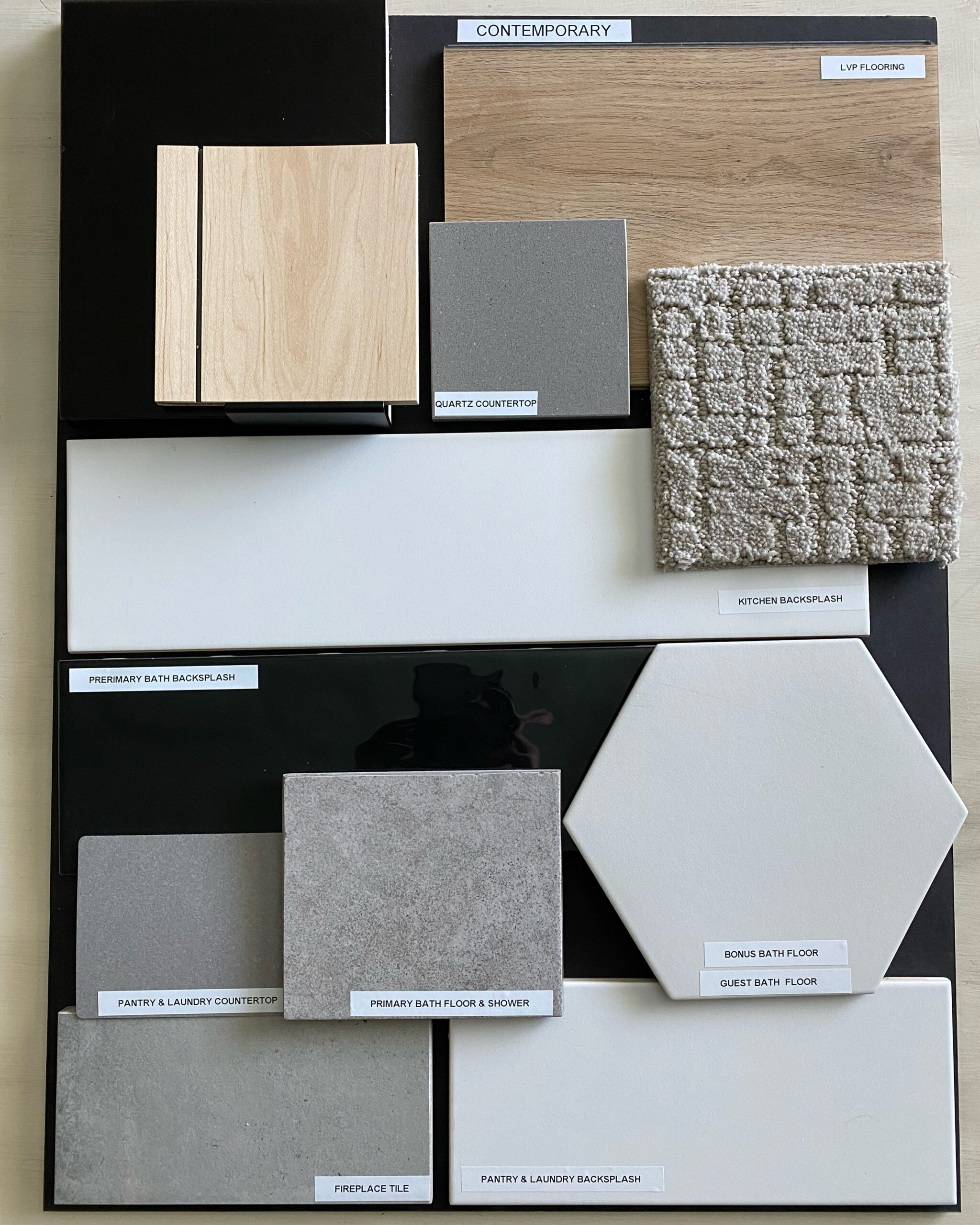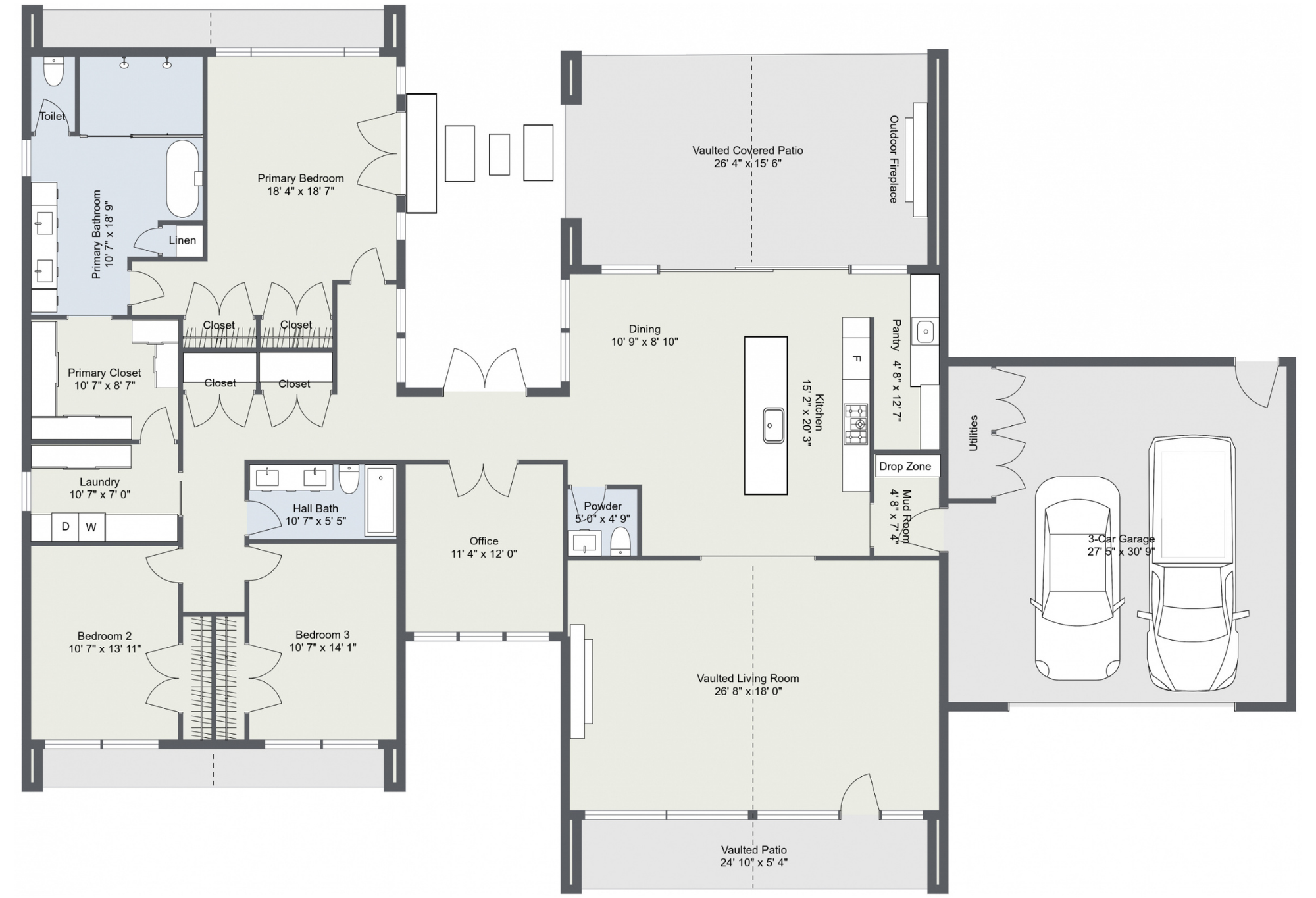
A custom home builder consultation is most productive when you arrive with more than a collection of inspiration photos. The builder needs to understand your land, priorities, budget, timing, and decision-making process before giving you useful direction about the home. It is best if you have some type of idea of how you will be using your home and property.
You do not need finished plans or every selection chosen before the first meeting. However, gathering the information you already have can help the builder identify missing pieces, explain what should happen next, and determine whether your expectations fit the property and project.
If you own land in Idaho or are considering a build-on-your-land project, use this guide to prepare for your first serious builder conversation.
Why Prepare for a Custom Home Builder Consultation
A custom home is a connected project. The land affects the home, the home affects the site plan, and both affect the budget.
For example, a long driveway, sloped building area, distant power, private well, septic system, irrigation crossing, or unusual foundation condition may influence the project before interior finishes enter the conversation. A floor plan that works well on one property may require changes on another.
Good preparation helps the builder look at the complete project rather than discussing the house in isolation. It also helps you leave the meeting with clearer next steps.
Property Details to Bring to a Custom Home Builder Consultation
Start with the exact property address if one has been assigned. If the land does not have an address, bring the parcel number, legal description, listing link, or a map showing its location.
Useful property information may include:
- Parcel number
- County and governing jurisdiction
- Legal description
- Preliminary title report
- Recorded survey or plat
- Deed
- Known easements
- Covenants, conditions, and restrictions
- Homeowners’ association or architectural requirements
- Previous land-use or building approvals
- Well, septic, utility, or irrigation records
Do not delay the meeting because you cannot find every item. Bring what you have and make a list of what remains unknown.
Online maps are helpful starting points, but they may not establish legal boundaries, buildability, access rights, or current approval requirements. Property-specific questions may require confirmation from the governing jurisdiction, a title company, a surveyor, an engineer, a public health district, or another qualified professional.
Bring a Survey or Site Information if You Have It
A survey can help the builder understand the parcel’s boundaries and recorded features. Depending on the survey and property, it may show easements, existing improvements, access, irrigation facilities, or other conditions that affect early planning.
Also bring any available information about:
- Topography or slope
- Drainage patterns
- Flood-related conditions
- Existing buildings
- Wells and septic systems
- Utility locations
- Driveway approaches
- Irrigation ditches, laterals, or pipelines
- Soil or geotechnical evaluations
- Neighboring uses that may affect privacy or home orientation
If you do not have the above mentioned information it will not affect the meeting quality. It just means that we will need to involve some more people to attain that information before making any decisions.
If you are unsure whether flood information applies to the property, the FEMA Flood Map Service Center is a public starting point. A map does not replace property-specific review or professional advice, but it can help identify a question that needs further investigation.
If you have not chosen the home location, that is normal. Early homesite planning should consider the house, driveway, utilities, septic areas, drainage, views, privacy, and future improvements together.
Explain Whether You Own the Land
Tell the builder where you are in the land process.
You may:
- Already own the property
- Have the property under contract
- Been comparing several parcels
- Plan to divide family land
- Be searching for acreage
- Need to determine whether your current parcel supports the intended home
The advice you need depends on your position. Someone who already owns a surveyed, improved lot may be ready for a different level of planning than someone considering undeveloped acreage.
If you have not purchased the property, share important deadlines from the purchase agreement such as the closing date of a property that is under contract to be purchased and identify any investigation periods. Ask the appropriate real estate and legal professionals what rights and deadlines apply to your transaction. A builder can help you recognize construction questions, but should not replace legal, title, surveying, engineering, or land-use advice.
How to Prepare a Budget for Your Builder Consultation
You do not need to know the final construction price before the home has been designed and estimated. Still, the builder needs an honest financial range.
Think about the total project rather than the house alone. Depending on the property and scope, the budget may need to account for:
- Land
- Home design and engineering
- Professional services
- Site preparation and excavation
- Foundation requirements
- Driveway and access improvements
- Power and other utilities
- Well and septic work
- The home itself
- Garage, RV bay, or shop
- Exterior improvements
- Financing expenses
- Contingency
If you plan to use financing, begin talking with a lender who handles new construction. Our guide to construction loans in Idaho explains why the land, plans, specifications, builder estimate, appraisal, and loan need to work together.
You can tell the builder that your range is preliminary. A candid range allows the team to discuss whether the home size, site conditions, and major features appear aligned before substantial design work begins.
Bring Your Household’s Priorities
Make a short list of what the home must accomplish. Focus first on how you live, then on individual products or finishes.
Consider:
- Who will live in the home now?
- Could parents, adult children, or extended family live there later?
- How many bedrooms and bathrooms are needed?
- Is a home office necessary?
- Do you need an accessible route or main-level living?
- How much garage space is required?
- Do you need an RV bay or detached shop?
- What equipment, trailers, recreational vehicles, or animals must the property support?
- How do you cook, entertain, work, store belongings, and use outdoor space?
- Which views, privacy needs, or relationships between rooms matter most?
Separate the list into three groups: must-haves, strong preferences, and future possibilities. This gives the builder room to suggest practical alternatives without losing sight of your priorities.
Bring Floor Plans to Your Custom Home Builder Consultation
Bring floor plans, saved photos, sketches, or links that show what you like. You may also review Idaho Impact Homes’ customizable floor plans before the meeting.
For each example, explain what caught your attention. A photo might represent the exterior style, window arrangement, kitchen layout, ceiling treatment, material, or overall feeling. Without that context, the builder may focus on a different feature than the one you intended to communicate.
Do not assume an online plan is ready to permit or build on your property. It may need revisions for local requirements, engineering, climate, site conditions, structural details, lifestyle needs, or the construction budget.
Identify Your Preferred Timing
Share any dates that matter, but treat an early timeline as a planning target.
Relevant timing may include:
- A land-purchase deadline
- A lease expiration
- A home sale
- A school-year consideration
- Financing milestones
- A planned move
- Seasonal site-access concerns
- A family or caregiving need
Custom-home timing depends on design complexity, selections, engineering, permitting, site conditions, weather, labor, materials, changes, and other project-specific factors. The first consultation is a good time to ask which parts of the schedule are reasonably predictable and which remain uncertain.
List What Is Known About Utilities and Wastewater
Utilities can materially affect the site plan and budget. Bring any information you have about power, natural gas or propane, water, sewer, septic, internet, and irrigation.
Useful documents may include provider correspondence, estimates, maps, existing bills, meter information, well records, or septic records. If the property will use onsite wastewater, Idaho’s public health districts handle property-specific site evaluations and permits. The Idaho Department of Environmental Quality’s septic information explains the statewide framework and directs property owners to the correct health district.
Ask the builder which unknowns should be investigated before the floor plan and home location are finalized.
Decide Who Will Participate in Major Decisions
Everyone who has authority over the project should understand the main goals, financial boundaries, and next steps. If a spouse, partner, family member, trustee, landowner, or lender will influence major decisions, identify that role early.
This does not mean every person must attend every meeting. It does mean the builder should know who approves the design, budget, contract, and changes. Clear decision-making can reduce conflicting direction and avoid preventable delays.
Questions to Ask During a Custom Home Builder Consultation
Your consultation is also an opportunity to evaluate the builder. Consider asking:
- Does the builder work in the property’s location?
- What experience does the builder have with acreage or rural sites?
- When does the builder evaluate the property?
- How are site-development questions investigated?
- How does design move from an idea to construction documents?
- Can an existing plan be modified?
- How are specifications and selections documented?
- How is the project estimated?
- What is included, excluded, or still unknown in early pricing?
- How are changes handled after the agreement is signed?
- What communication should the homeowner expect?
- What does the builder need before providing meaningful pricing?
- How does the builder coordinate with lenders, designers, engineers, and permitting authorities?
- What should happen immediately after the consultation?
You can also confirm an Idaho contractor’s current registration through the Idaho Contractors Board. Registration is only one part of evaluating a builder, so also review relevant experience, communication, documentation, references, and the proposed scope of work.
What You Do Not Need Before the First Meeting
Many prospective homeowners wait too long because they believe they need a finished plan, complete specifications, and every land question answered first.
You can usually begin a useful conversation without:
- Final construction drawings
- Engineering
- Every interior selection
- A complete site plan
- A final construction loan
- A finished estimate
- All permits
The consultation should help establish the correct order for those items. However, the builder cannot responsibly turn a short wish list into a reliable final price during one introductory meeting. Meaningful pricing develops as the property, plans, specifications, site work, and remaining assumptions become clearer.
What a Productive Builder Consultation Should Accomplish
By the end of the conversation, you should have a clearer understanding of:
- Whether the builder and project appear to fit each other
- Which property questions need verification
- Whether the early scope and budget appear reasonably aligned
- Which professionals may need to be involved
- What information is still missing
- What the next planning step will be
- What decisions should wait until better information is available
The meeting does not need to answer every question. Its purpose is to replace guesswork with an organized path forward.
Ready for a Custom Home Builder Consultation in Idaho?
If you own land or are evaluating property in the Treasure Valley, Idaho Impact Homes can help you organize the construction questions around the site, home, and long-term use of the property.
Bring the information you already have. We can discuss what is known, identify the questions that still need answers, and determine the appropriate next step for your project.
Contact Idaho Impact Homes to schedule a conversation about your property and custom-home goals.
This article provides general educational information. Property requirements, feasibility, pricing, financing, professional services, and permitting vary by project and jurisdiction. Confirm property-specific information with the governing agencies and qualified professionals.