Site Costs in Idaho When Building on Acreage: What Homeowners Should Know
When planning a custom home on acreage, site costs in Idaho can have a major impact on the overall budget. Many homeowners focus on the land price and the cost of the house itself, but the property often needs significant work before construction can begin.
Site costs can include driveway access, excavation, grading, drainage, septic, well installation, power, utility trenching, permits, engineering, and temporary construction access. These costs vary widely from one property to another.
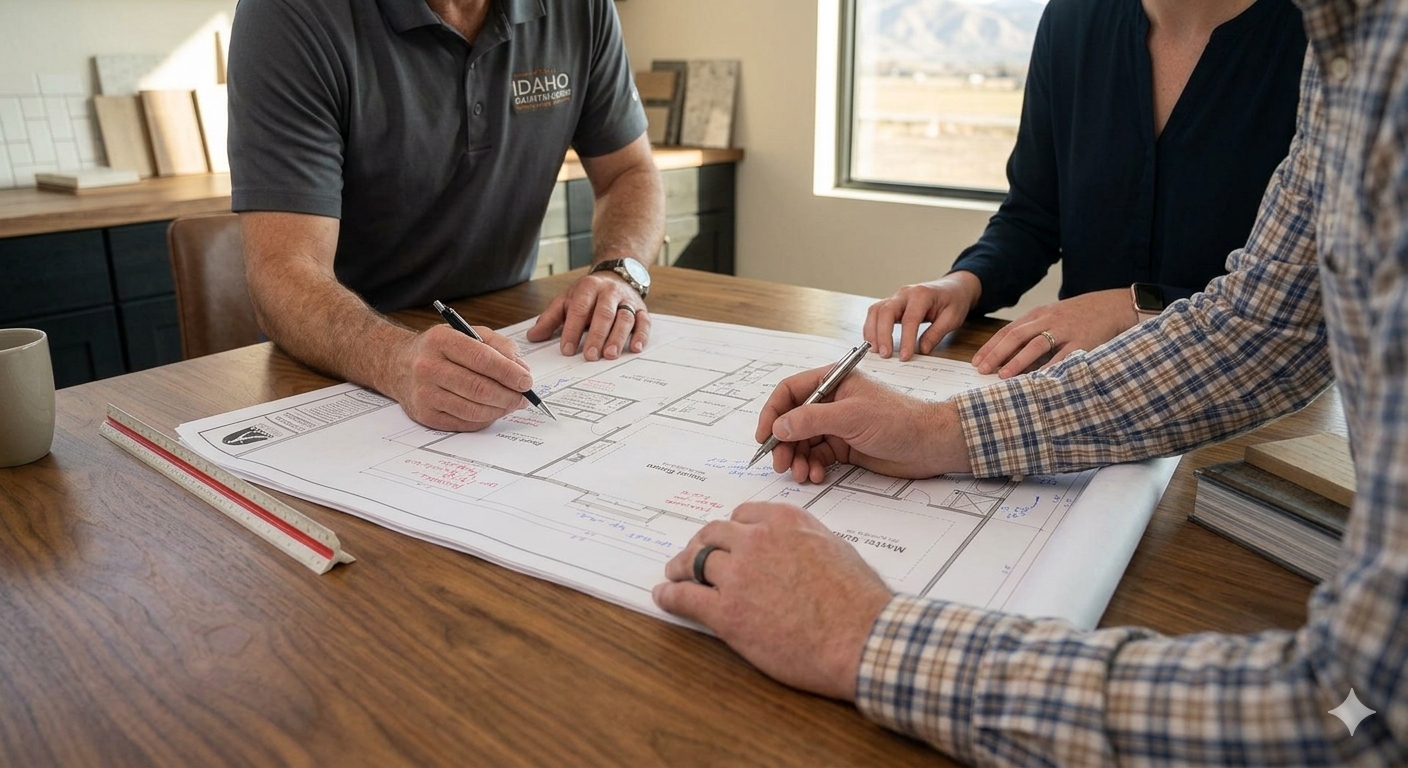
At Idaho Impact Homes, we evaluate the land early because the property affects the design, timeline, and budget. A beautiful parcel may still need additional work before it can support the home, driveway, utilities, and outdoor living areas the homeowner wants.
Site Costs in Idaho Start Before Construction Begins
Site costs in Idaho often begin long before the home is framed.
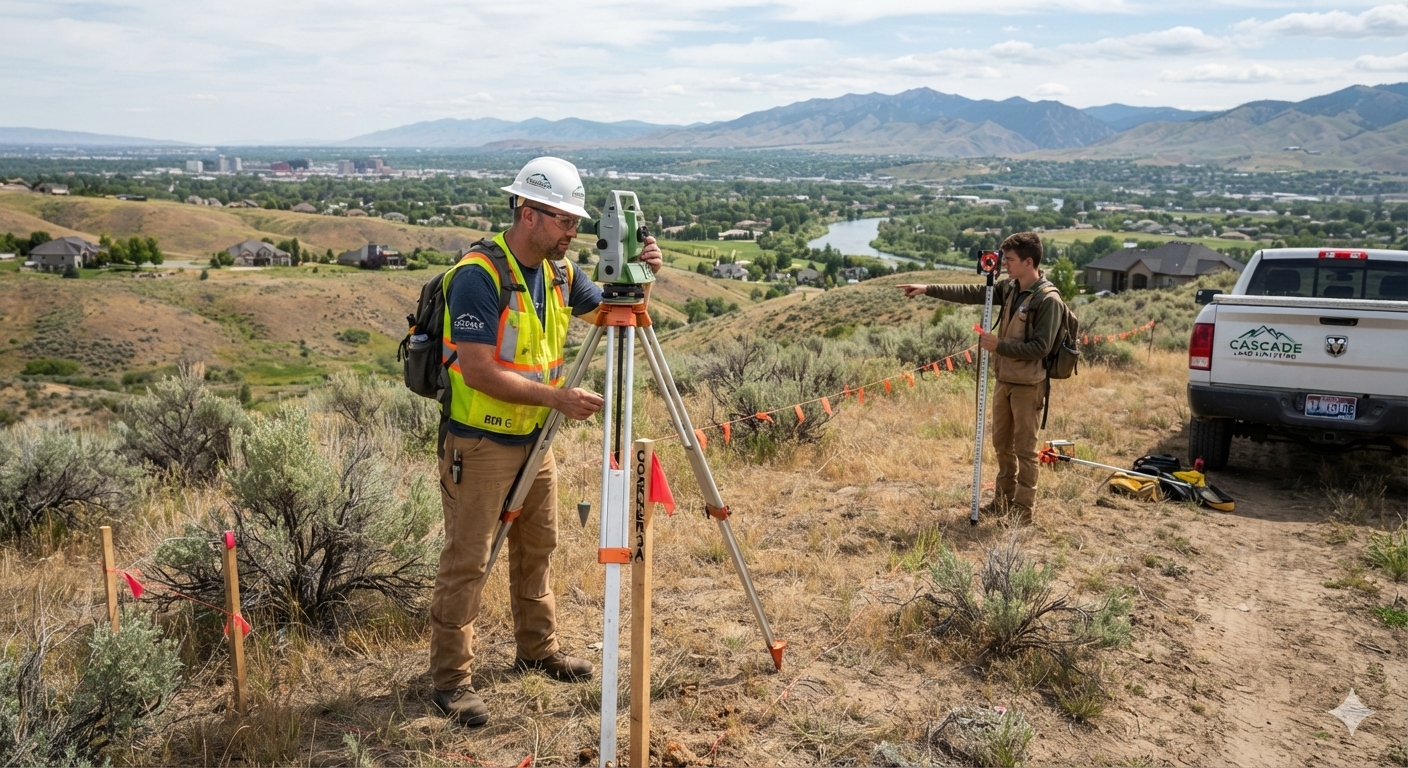
Before construction starts, the property may need site evaluation, survey work, driveway planning, soil testing, utility coordination, septic review, well research, and permit preparation. These steps help determine what the land needs before the home can move forward.
This early work matters because the land can change the cost of the entire project. A flat parcel near existing utilities may be easier to develop. A sloped acreage property far from power, water, or road access may require more planning and a larger site development budget.
Homeowners should understand site costs before finalizing the home location, floor plan, and construction budget.
Land Price Is Not the Full Cost of Building
The purchase price of the land is only one part of the total investment.
A lower-priced parcel may look attractive at first, but it may cost more to develop if it lacks access, power, water, septic feasibility, or a practical building pad. A more expensive parcel may actually cost less to prepare if it already offers usable access, nearby utilities, favorable soil, and a practical homesite.
Some parcels already include pressurized irrigation, power, a well, and septic. These features may raise the property price, but they can also save a substantial amount of time and money during development. Idaho Impact Homes evaluates land based on development cost and overall feasibility, not just purchase price.
Sometimes the cost and time required to develop a property make the project unrealistic. Canals, roadways, utility infrastructure, retaining walls, or right-of-way conflicts can create issues that a buyer, realtor, or even title company may not discover early.
For example, the road department may require a turn lane before it will issue an access permit. That requirement can add significant cost. Idaho Impact Homes confirms the major requirements for obtaining a building permit before we sign a build contract.
This is why homeowners should avoid comparing land based only on price per acre.
Acreage should be evaluated based on buildability, site costs, location, access, utility availability, soil conditions, drainage, and long-term goals for the property.
Driveway Access Can Affect Site Costs in Idaho
Driveway access is one of the first site costs to review.
Some properties already have an approved road approach or driveway. Others need a new approach, private road approval, culvert, bridge, ditch crossing, grading, road base, gravel, or temporary construction access.
A long driveway can increase costs quickly. It may require more excavation, more gravel, more compaction, more drainage planning, and more long-term maintenance. It may also increase utility costs if power, water lines, or communication lines follow the driveway route.
Slope can also affect driveway cost. A steep driveway may require additional grading, switchbacks, retaining, drainage improvements, or a different route to the home. Moving earth is expensive, especially when the site contains large rocks, roots, or unsuitable soil, or when crews cannot keep the excess dirt on site.
For acreage properties, homeowners should plan the driveway before finalizing the home location. A private homesite with a long driveway may feel ideal, but it can add significant cost to the project.
Heavy Construction Traffic Needs Safe Access
Construction access is different from finished driveway access.
A driveway that works for a pickup truck may not work for concrete trucks, framing deliveries, excavation equipment, septic installers, well drillers, utility crews, and emergency vehicles.
The site may need temporary construction access before the finished driveway is complete. This helps prevent vehicles from getting stuck and reduces damage to existing roads, culverts, and utilities.
Idaho Impact Homes uses temporary construction access with road base only so workers can reach the build site without damaging the finished driveway. Near the end of the project, we level and compact the base and then install the final road surface. We want your first drive to your new home to be smooth.
If the property has soft ground, steep slopes, narrow access, or irrigation crossings, the construction access may need more planning. That planning may involve soil testing, a topographic survey, or a civil engineer to design appropriate retaining walls.
Excavation and Grading Can Change the Budget
Excavation and grading can become major site costs in Idaho.
A building pad may need clearing, cut and fill, compaction, retaining walls, drainage improvements, or soil stabilization. Sloped properties often require more excavation than homeowners expect.
Even a one-foot drop in elevation over fifty feet can change the foundation design. Foundation walls can only reach a certain height before the design needs to step down. A stepped foundation resembles a terraced hillside, although the transitions are much more subtle. After crews complete the stepped foundation, framers build up the lower sides so they can create a level platform for the house.
Even a small slope can increase labor and material costs for the excavator, foundation installer, framer, and siding contractor. Idaho Impact Homes completes a thorough site evaluation before each home design.
If crews cannot reuse excavated material on site, they may need to haul it away. Trucking soil or rock off site can add cost. Bringing in new material can also increase the budget.
Homeowners should also consider where the spoils, or excavated soil, will go. On larger properties, crews can sometimes store soil on site. That can save money, especially if they can keep it near the excavation area.
The best time to understand excavation needs is before construction begins. A site that looks simple from the road may still have slope, rock, drainage, or soil conditions that increase the cost. We strongly recommend a site visit with an experienced builder, civil engineer, or land developer before closing on a piece of land.
Drainage Should Be Planned Early
Water needs to move away from the home, driveway, septic system, outdoor living areas, and future structures.
Poor drainage can create erosion, standing water, muddy access, driveway washouts, foundation concerns, and long-term maintenance problems. On acreage, drainage affects more than the house pad. It can also affect the driveway, landscaping, irrigation, ditches, slopes, and low areas of the property.
Drainage solutions may include grading, swales, culverts, dry wells, drain rock, retaining walls, or other site improvements. Some properties need a French drain where a low spot collects water. Crews solve this by excavating the low area and filling it with aggregates that promote drainage.
When homeowners plan drainage early, the property functions better and avoids costly repairs later. If drainage is ignored, water may pool in areas where you want to drive, landscape, or use the yard.
Septic Systems Can Be a Major Site Cost
If city sewer is not available, the home may need a septic system.
Septic costs can vary based on soil conditions, groundwater, slope, available space, system type, tank size, drain field design, replacement drain field area, permits, and inspections.
A standard septic system may cost less than an engineered or alternative system. If the property has poor drainage, high groundwater, shallow rock, steep slope, or limited usable space, the system may become more complex.
Some complex septic systems include additional treatment tanks. These systems require more space. They also often require an alarm system to prevent backup, which adds electrical cost.
Septic placement can also affect home placement, well location, driveway layout, landscaping, and future shops or outbuildings. Health department rules require septic systems to maintain specific distances from water sources, which can limit where the system can go.
For this reason, homeowners should review septic feasibility early when evaluating site costs in Idaho.
Wells Can Add Uncertainty to the Budget
If the property does not have access to city water or a shared system, it may need a private well.
Well costs can vary based on drilling depth, ground conditions, well casing, pump needs, screens, water quality, drilling access, and trenching the water line to the house.
A well also requires a pump to move water from the bottom of the well to the pressure tank inside the house. The amount of water needed and the distance the water must travel will help determine the size of the pump. Contractors usually cannot determine the exact pump size until the well is complete.
Depth is often one of the biggest unknowns. Nearby well logs may provide useful information, but they cannot guarantee what a new well will require. Well drillers often use nearby reports to prepare a quote, but homeowners should still keep a contingency budget for these unknowns.
Drill rig access also matters. Well drilling rigs are large, heavy vehicles. If the ground is muddy, snowy, soft, or steep, the driller may need to wait for better conditions or improve site access first. Choosing the well location early can prevent the excavator from making a second trip just to stabilize or level the ground for the drill rig.
Homeowners should treat well installation as a variable site cost, especially on acreage.
Power Can Cost More Than Expected
Nearby power does not always mean inexpensive power.
Power costs may depend on the distance from existing infrastructure, transformer needs, overhead versus underground service, utility company requirements, easements, trenching, temporary construction power, and inspection coordination.
If the home sits far from the road, the power route may become longer. If the project requires an extension from existing primary power lines, the cost and timeline can increase.
Overhead power usually costs less than underground power because it requires less excavation and fewer underground materials. However, it can add visual clutter and may affect the views from the property.
Underground power often looks cleaner, but it requires trenching, conduit, backfill, and coordination with other utilities. It also disturbs more ground and requires more labor and different materials.
Power planning should happen with the full site plan, not after the home design is finished.
Utility Trenching Should Be Coordinated
Utility trenching can affect site costs in Idaho.
Power, water lines, communication lines, irrigation lines, and other utilities may need to cross the property. If contractors plan utility routes separately, the project can run into conflicts, extra trenching, or rework.
Homeowners should also think about where utilities will enter the house. That affects both function and appearance. For example, propane tanks and power meters usually work best on the side of the house so they do not take away from curb appeal.
A coordinated site plan can reduce unnecessary excavation. It can also help avoid crossing the septic area, future shop locations, driveway areas, drainage paths, or landscaping zones.
Before excavation begins, crews should use proper utility locating services. This helps identify existing underground utilities and reduces the risk of damage.
Permits and Jurisdictions Can Add Time and Cost
Acreage projects can involve several agencies.
Depending on the property, homeowners may need approvals from a city, county, highway district, health district, irrigation district, utility company, fire district, or state agency.
Permits may involve building, septic, driveway approach, right-of-way access, well drilling, grading, floodplain review, utility work, or engineering. These are examples of prerequisites that often must be in place before the building permit can be issued.
Each agency may have its own process, timeline, and requirements. This can affect both the construction schedule and the overall budget. If one agency approves a design that conflicts with another jurisdiction’s requirements, the team must resolve that conflict before the project can move forward.
One of Idaho Impact Homes’ responsibilities is to coordinate this communication. Our relationships with the people who regulate this industry help us move through the process more efficiently.
A property that appears ready to build may still need several approvals before construction can begin.
Engineering May Be Needed for Difficult Sites
Some properties need additional engineering.
Projects may require engineering for retaining walls, foundations, drainage plans, steep driveways, hillside homes, structural changes, septic systems, or road access improvements. A structural engineer may need a topographic survey and soil tests before starting that work. These prerequisites add time and money to the project.
Engineering is not always a problem. In many cases, it helps create a safer, stronger, and more functional home. It can also create opportunities. For example, sloped land can support more dramatic landscaping. Retaining walls can be faced with stone or built with large boulders to create a more intentional look.
Homeowners should understand this possibility when evaluating land with slope, drainage concerns, unstable soil, or unusual site conditions.
Future Property Use Should Be Part of the Budget
Site costs in Idaho should also account for how the property will be used in the future.
Many acreage owners eventually want a shop, barn, pool, guest house, garden, livestock area, RV parking, sports court, greenhouse, or additional driveway access. These future plans can affect the first round of site planning.
Homeowners should think about where future water, power, septic, and other utilities may go. Those future plans may influence where the main house utilities should go as well.
If the original site plan ignores future improvements, the homeowner may face expensive changes later. Utility routes, septic placement, driveway layout, drainage, and grading should leave room for future property use when possible.
The goal is not to build everything at once. The goal is to avoid blocking future options.
Common Site Costs Homeowners Overlook
Many homeowners underestimate how many site costs can appear before construction begins.
Common overlooked costs include:
Driveway approach
Temporary construction access
Culverts or ditch crossings
Grading and excavation
Retaining walls
Drainage improvements
Well drilling
Pump system
Water line trenching
Septic design
Septic installation
Replacement drain field area
Power extension
Transformer upgrades
Underground conduit
Temporary power
Utility trenching
Soil testing
Survey work
Engineering
Permits
Inspections
Material import or export
Erosion control
Fire access requirements
Not every property will need every item. However, acreage buyers should understand that site costs can become a large part of the total budget.
How Idaho Impact Homes Helps Evaluate Site Costs in Idaho
Every Idaho Impact Homes project begins with understanding the property.
Before construction begins, we look at the site as a whole. This includes home placement, driveway access, septic feasibility, well placement, power routes, grading, drainage, utility trenching, outdoor living, and future use of the land.
Site costs in Idaho are easier to understand when the home, land, utilities, and design goals are reviewed together.
This allows homeowners to make informed decisions before spending major money on design, permitting, excavation, or construction. Idaho Impact Homes works with clients to determine the best locations for utilities, access, and future property use.
FAQ
What are site costs when building a custom home?
Site costs are the expenses required to prepare land for construction. They may include driveway access, excavation, grading, drainage, septic, well installation, power, utility trenching, permits, engineering, and temporary construction access.
Are site costs included in the price of the home?
Not always. Some builders separate home construction costs from site development costs because every property is different. Homeowners should ask what is included and what is estimated separately.
Idaho Impact Homes includes budgets for utilities and driveways because these costs can vary widely. While costs may increase after septic design or utility review, a contingency budget helps cover those unknowns.
Why do site costs vary so much on acreage?
Site costs vary because each parcel has different access, slope, soil, water, septic, power, drainage, and permitting conditions.
Can site costs affect where I place my home?
Yes. A homesite farther from the road may offer better privacy or views, but it can increase driveway, power, water line, grading, and utility costs.
Should I evaluate site costs before buying land?
Yes. Buyers should review access, septic feasibility, wells, power, drainage, slope, easements, and permitting before purchasing acreage or rural property.
Can Idaho Impact Homes help estimate site costs?
Yes. Idaho Impact Homes can help evaluate land and identify the site costs that may affect the design, budget, and timeline of your custom home.
Planning for Site Costs in Idaho?
If you are planning to build a custom home on acreage in Caldwell, Nampa, Middleton, Star, Eagle, Kuna, Boise, or the surrounding Treasure Valley, Idaho Impact Homes can help you evaluate the property before construction begins.
Contact Idaho Impact Homes to schedule a consultation and better understand driveway access, septic, wells, power, drainage, utility routes, and other site costs involved in building on your land.